Leaving the hospital after surgery feels like a milestone. For most patients, it signals that the hardest part is over. But the days and weeks following discharge are some of the most medically sensitive of the entire recovery journey. What happens at home during this period can mean the difference between a smooth, full recovery and a complication that sends a patient right back to the emergency room.
Post-surgery home care is not simply about keeping someone comfortable. It is about maintaining clinical attention in a setting where small changes can escalate quickly if they go unnoticed. Having someone qualified present to monitor, assess, and respond is what truly protects patients after they leave the hospital.
Why Post-Surgical Monitoring Cannot Be Left to Chance
Hospitals discharge patients earlier than they once did. Advances in surgical techniques have made shorter stays possible, and in many cases, going home sooner supports better outcomes. But shorter stays also mean patients return home while still in the active phase of recovery.
During this phase, the body is working hard. Incisions are healing. Medications are being processed. Inflammation is resolving. Any disruption to this process, whether from infection, a blood clot, or a medication reaction, can turn serious within hours. Without clinical guidance, some warning signs may go unnoticed, particularly in higher-risk patients.
Research published in peer-reviewed clinical literature consistently shows that at-home structured monitoring has been associated with reduced hospital readmissions in certain patient populations. What clinical teams do in hospital observation rooms, a skilled nurse can replicate at home with the right training and protocols in place.
What Effective At-Home Post-Operative Care Actually Looks Like
Many families assume that at-home post-operative care means helping with meals, keeping the patient comfortable, and reminding them to take medications. These things matter, but they are only part of the picture. Real post-surgical care is clinical work, and it requires clinical expertise.
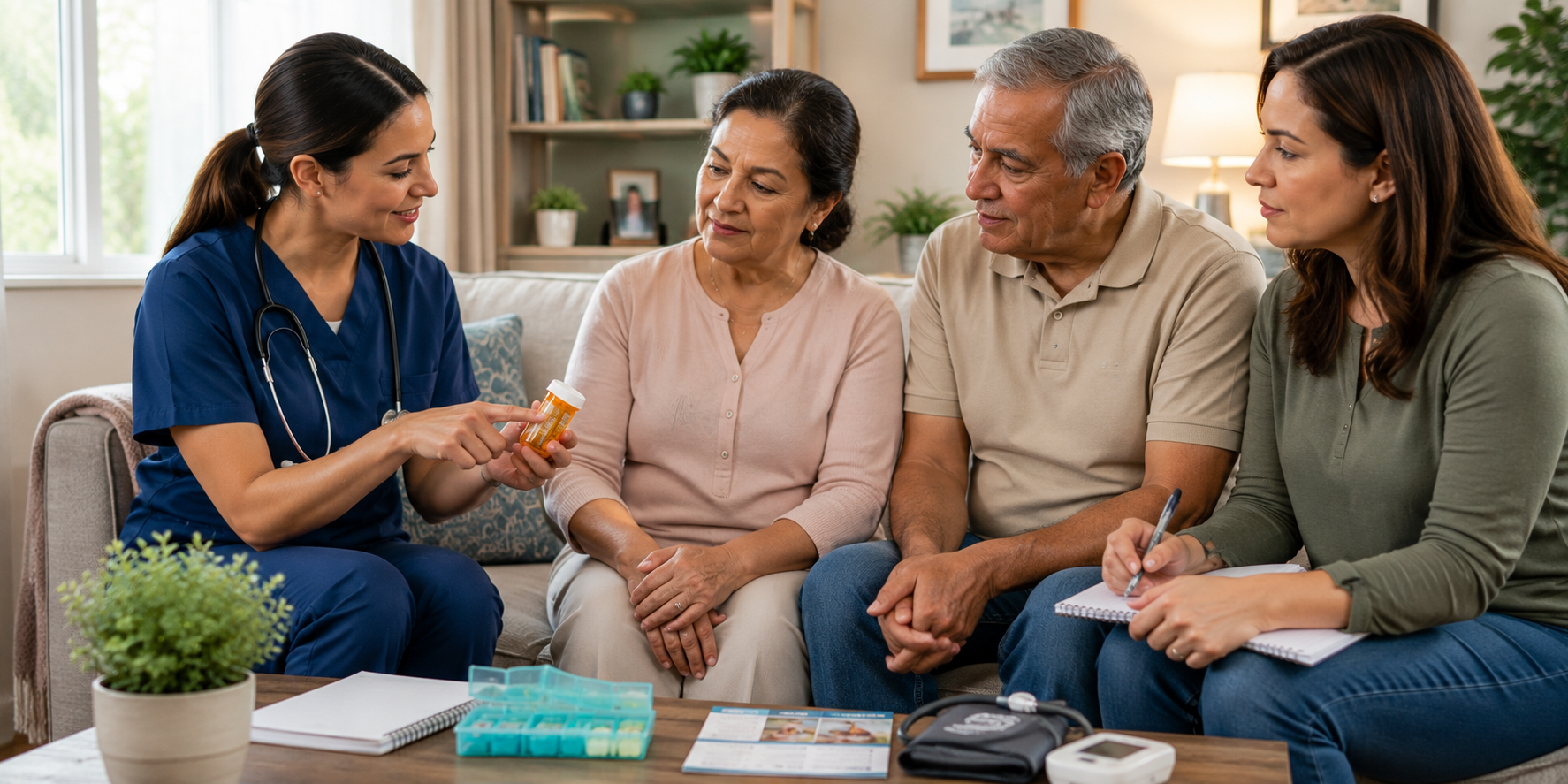
Here is what a skilled nurse monitors and manages during post-surgical home visits:
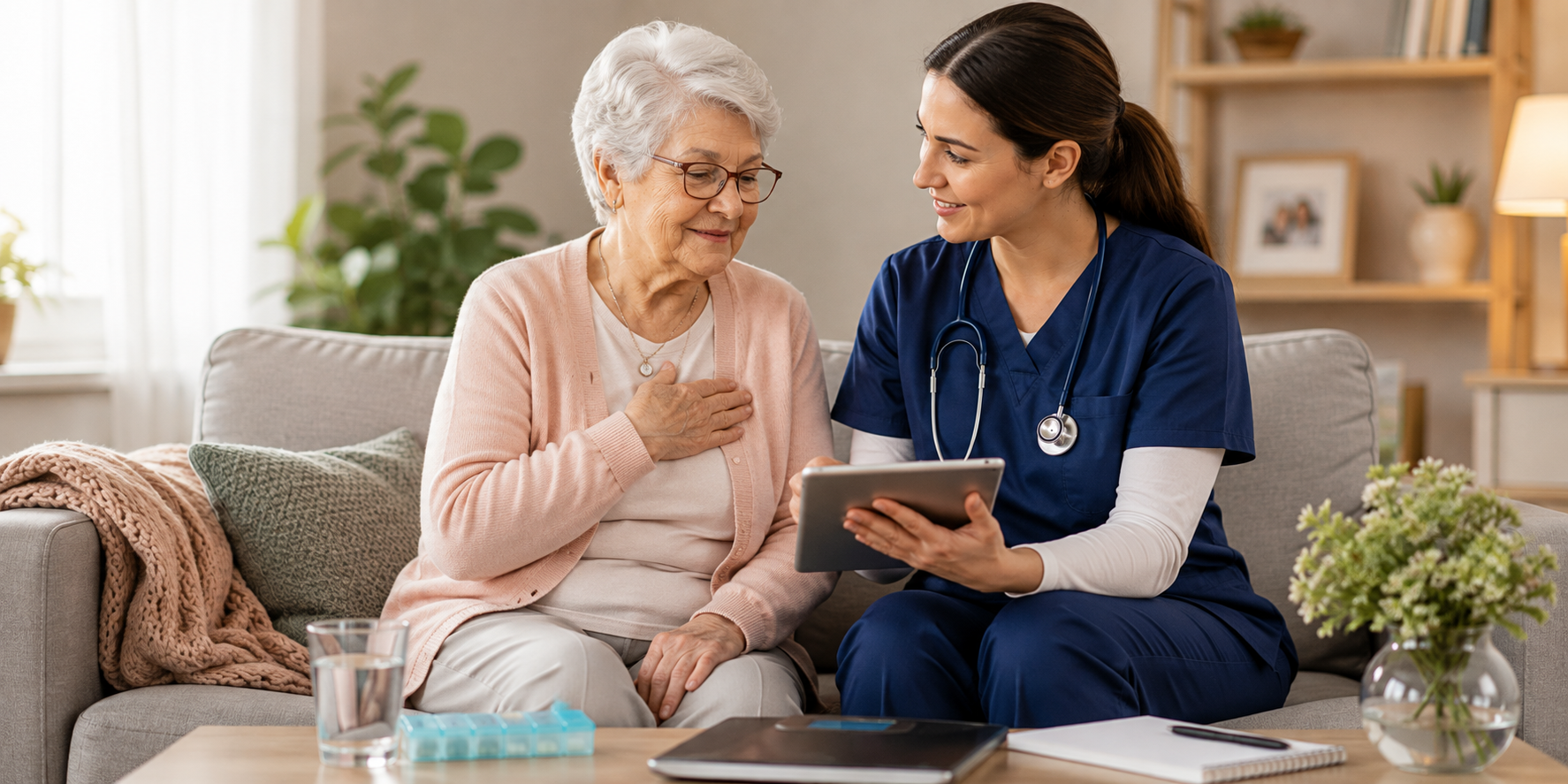
- Vital signs: Blood pressure, heart rate, temperature, and oxygen saturation are checked on a consistent schedule. A low-grade fever two days after discharge can signal a developing infection. A drop in oxygen levels can point to a pulmonary complication. Catching these early gives physicians the time they need to act.
- Pain levels: Uncontrolled pain delays healing, limits mobility, and raises the likelihood of complications such as pneumonia from prolonged inactivity. A home nurse evaluates pain after surgery consistently, ensures medications are taken correctly, and contacts the physician when pain is not responding to the current plan.
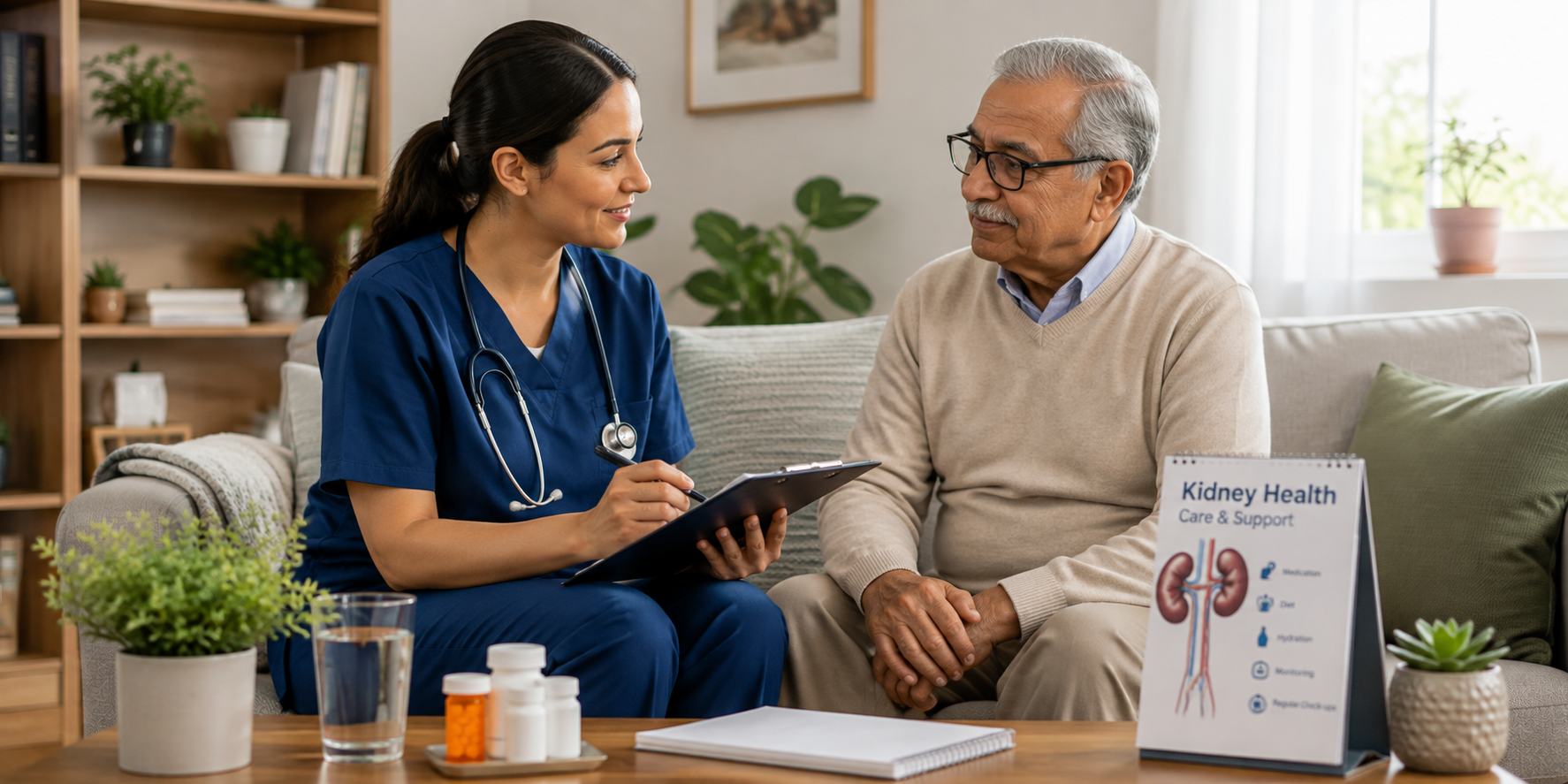
- Hydration and nutrition: Proper fluid intake and nutrition are essential to tissue repair and immune function. Nurses assess whether patients are eating and drinking adequately and flag any concerns that could slow recovery.
- Mobility and activity: Staying completely still after surgery raises the risk of blood clots. Moving too aggressively can stress incisions. A skilled nurse guides patients through safe, appropriate movement and monitors their tolerance throughout recovery.
- Emotional well-being: Anxiety and low mood are common after surgery and can negatively affect physical healing. A compassionate nurse provides regular reassurance and helps patients remain actively involved and motivated throughout their recovery.
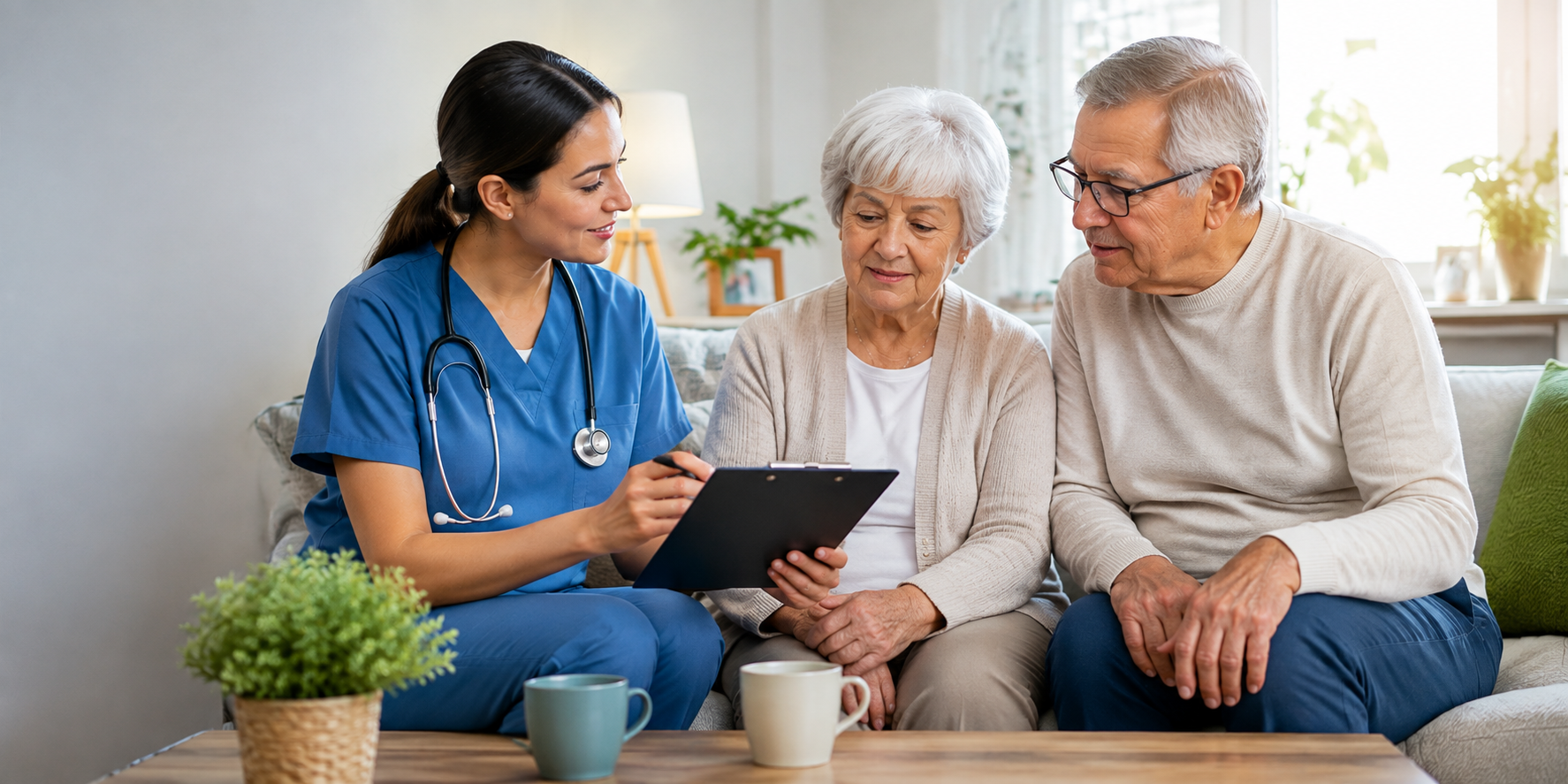
- Physician communication: A nurse does not work in isolation. They document observations, flag concerns promptly, and ensure all changes in the patient’s condition are communicated to the care team without delay.
If your loved one needs a skilled home nurse in Houston, Allied Home Health offers attentive care that families trust for post-surgical recovery. Our team of RNs, LVNs, and CNAs is always ready to step in, so give us a call to discuss a care plan built around your specific needs.
The Critical Role of At-Home Wound Care
One of the most significant risks patients face following surgery is infection at the surgical site. Clinical Research shows that structured post-operative monitoring can support earlier detection of complications and may improve recovery outcomes in certain patient groups.
At-home wound care carried out by a trained nurse is one of the most effective ways to prevent this. Proper wound assessment is far more involved than checking that a bandage is in place. A nurse examines the wound closely for redness, swelling, warmth, unusual discharge, or any separation at the edges. Dressings are changed using sterile technique, wound progress is documented carefully, and any concerns are escalated to the physician right away.
For patients managing complex wounds, surgical drains, or ostomies, this level of professional attention is absolutely essential. Family members with the best intentions simply do not have the clinical training to manage these situations safely, and relying on them to do so puts patients at real risk.
How Surgical Recovery Monitoring Keeps Patients Out of the Hospital
Structured at-home surgical recovery monitoring significantly reduces the rate of unplanned hospital returns. When a nurse tracks a patient’s condition against clear clinical benchmarks, complications are identified far earlier than when patients rely solely on self-monitoring or well-meaning family caregivers.
This matters most for patients recovering from major procedures involving the heart, abdomen, joints, or spine. These surgeries carry higher post-operative risks and require close clinical oversight over an extended period. A skilled nurse can provide structured at-home clinical monitoring that complements hospital care and helps identify issues early.
Family caregivers benefit greatly, too. When a professional nurse handles the clinical responsibilities, families are freed to focus on emotional support and connection rather than tasks they were never trained to perform.
Conclusion
Recovery does not end at hospital discharge. In many ways, the most important work begins the moment a patient arrives home. Post-surgical monitoring is not an optional add-on. It is a core part of safe, effective recovery that protects patients, reduces complications, and gives families genuine peace of mind.
When a qualified nurse monitors vitals, manages wounds, oversees medications, and stays in close contact with the care team, patients heal more safely and more completely.
Allied Home Health offers dedicated post-surgical support from a team that genuinely cares. If you are looking for trusted private-duty nursing for Houston residents and families to rely on, we are here for you. Contact us to create a personalized recovery plan that keeps your loved one safe, supported, and healing at home!
About Allied Home Health. Allied Home Health is a licensed private duty nursing agency serving Houston and the surrounding Harris County area from 2421 W. Holcombe Blvd, Houston, TX 77030. Call 713-524-4422 to talk through your family's situation.