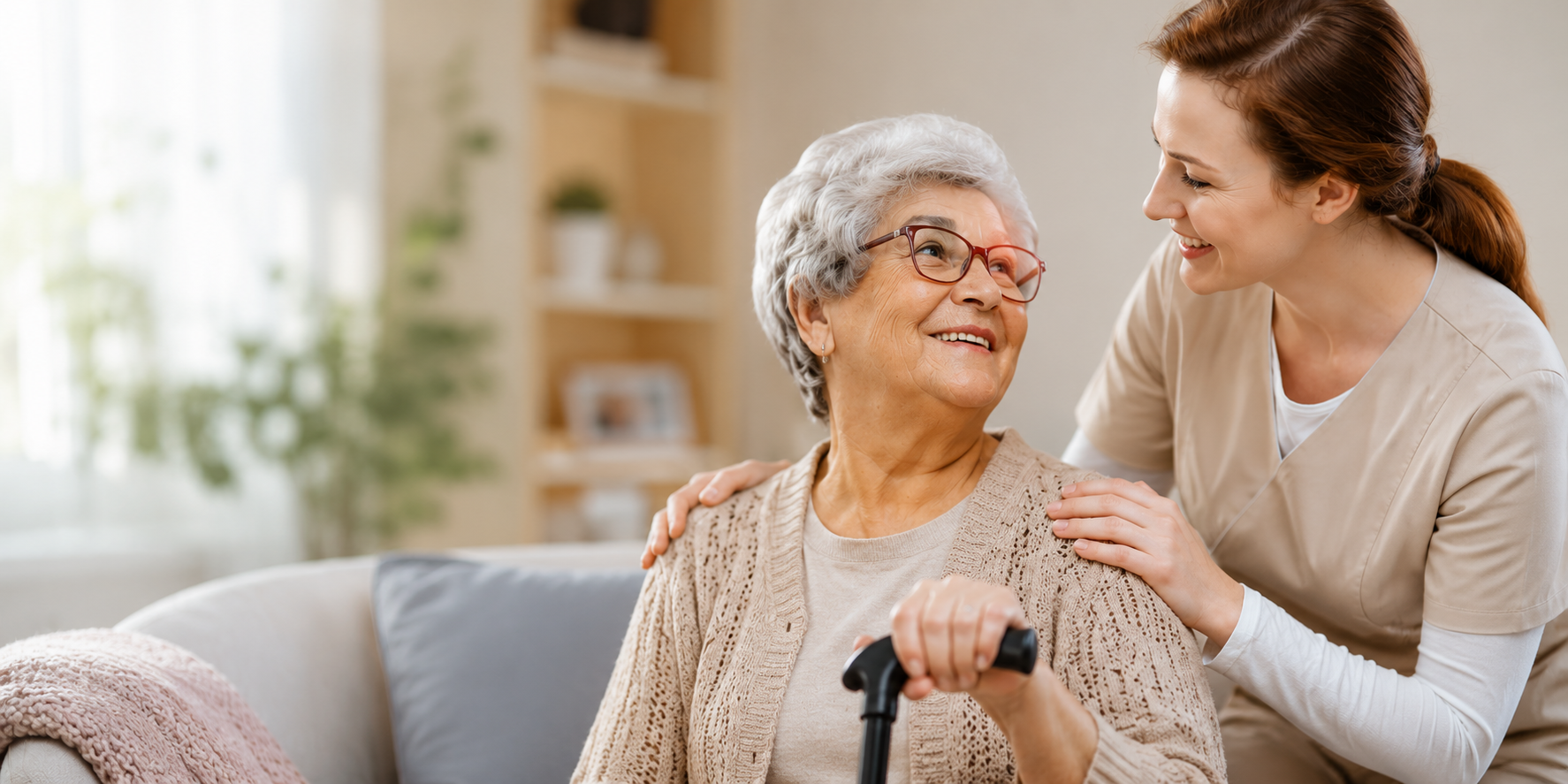
Growing older does not mean giving up the comfort of home. In fact, many seniors feel happiest in familiar surroundings filled with memories, routines, and a sense of belonging. That is why aging in place has become such an important goal for many older adults. At the same time, aging often brings physical limitations, health concerns, and mobility challenges that can make everyday tasks harder. Simple activities like climbing stairs, preparing meals, or remembering medications may gradually require extra care.
The good news is that autonomy and support can work together beautifully. Encouraging independence is not about leaving seniors alone to manage everything themselves. Instead, it means creating an environment where they can continue making choices, staying active, and maintaining dignity while receiving the help they need.
Why Independence Matters for Seniors
Independence affects much more than physical ability. It directly influences confidence, motivation, emotional health, and overall happiness. When seniors continue participating in daily activities, they often feel more capable and connected to their lives. Deciding what to wear, preparing breakfast, watering plants, or folding laundry may seem simple, yet these routines create purpose and structure. They remind seniors that they still play an active role in their own lives.
Losing independence can feel emotionally heavy. Seniors may begin feeling frustrated, isolated, or discouraged when they can no longer complete tasks they once handled easily. That is why support should focus on encouragement rather than control. Helping seniors stay involved in daily life often improves confidence and emotional stability.
Creating A Safe Home Environment
Safety plays a major role in helping seniors get at-home independence. A home filled with hazards can quickly limit mobility and increase fear of falling or getting injured. Fortunately, small changes can make a huge difference.
Improving Home Accessibility
Simple modifications help seniors move more safely throughout the house. Grab bars in bathrooms, handrails along staircases, and walk-in showers can reduce strain and improve balance. Wider pathways also make movement easier for individuals using walkers or mobility aids. Bright hallways, motion-sensor lights, and nightlights reduce visibility issues that often contribute to accidents.
Reducing Fall Risks at Home
Falls remain one of the biggest concerns for older adults. Loose rugs, cluttered walkways, tangled cords, and slippery floors create unnecessary risks. Creating clear pathways throughout the home supports safer movement and encourages elderly people to live independently without constant fear of accidents. Even small adjustments can improve safety significantly.
Organizing Essential Items for Easy Access
Keeping important items nearby reduces unnecessary strain and frustration. Medications, phones, emergency contacts, and commonly used kitchen items should remain easy to reach. Think of the home like a well-organized toolbox. When everything sits in the right place, daily life feels smoother and less stressful.
Supporting Daily Living Activities
Maintaining independence does not mean seniors must do everything alone. Assistance can help older adults continue participating in daily routines without losing confidence.
Encouraging Participation in Daily Routines
Allowing seniors to stay involved in everyday activities assists with emotional wellness and routine stability. Cooking simple meals, organizing personal items, or helping with light household chores creates a sense of purpose. Instead of taking over tasks completely, caregivers can offer guidance and gentle support.
Promoting Safe Mobility
Mobility directly affects independence. Walkers, canes, supportive footwear, and proper mobility aids help seniors move safely throughout the home and community. Reliable mobility support for elderly individuals also reduces anxiety around movement. When seniors feel physically stable, they are more likely to remain active and socially engaged.
Simplifying Household Tasks
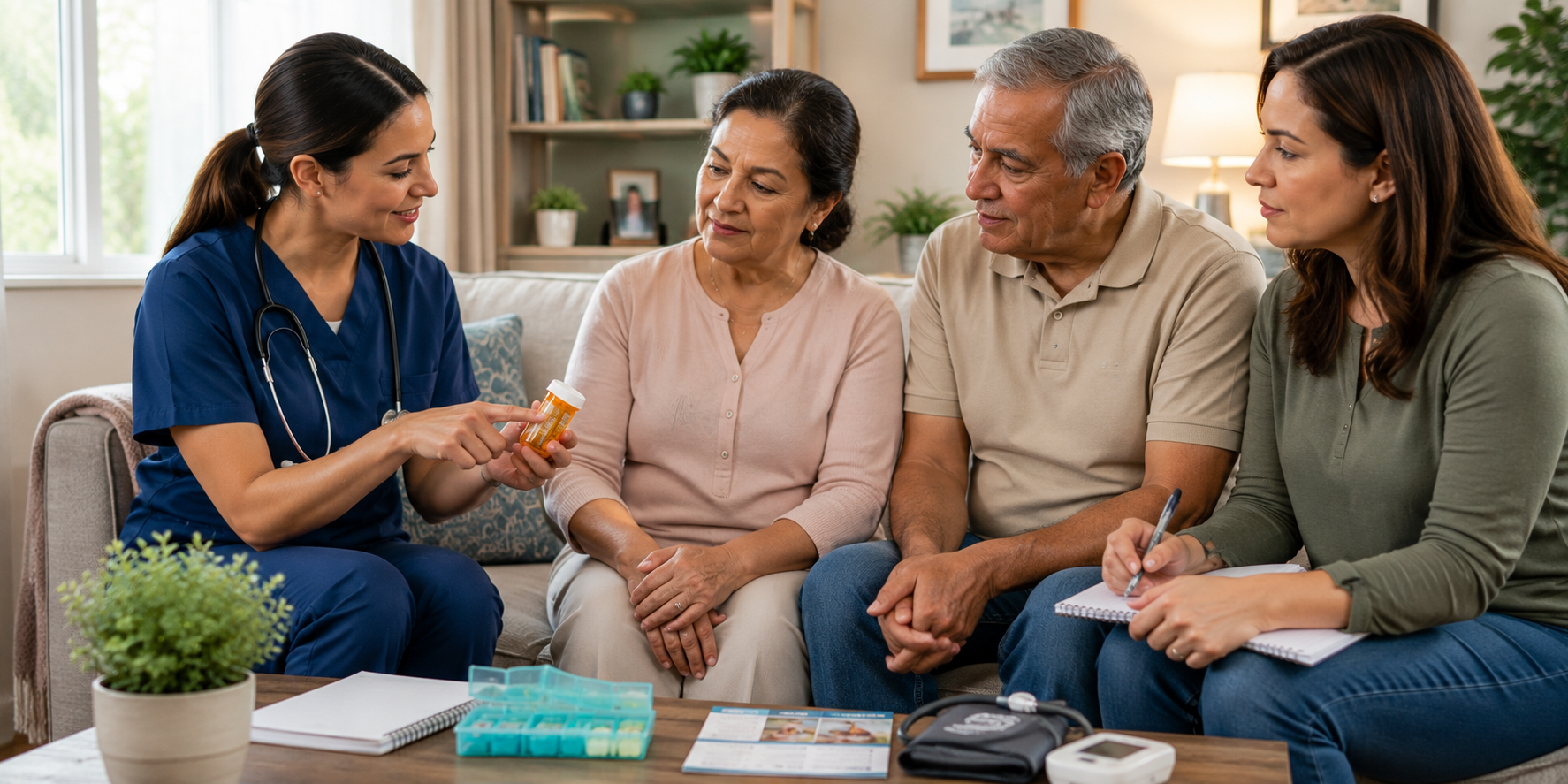
Some chores become physically exhausting with age. Grocery delivery services, meal preparation assistance, laundry support, and medication reminders help reduce stress while still allowing seniors to maintain involvement in their routines.
Encouraging Physical Health and Wellness
Physical wellness supports long-term independence. Staying active helps maintain strength, flexibility, balance, and energy levels.
Safe Exercise for Seniors
Low-impact exercise can work wonders for aging bodies. Walking, stretching, chair exercises, and balance-focused workouts help improve mobility and circulation. Physical activity also boosts mood and cognitive function. Even short daily walks can help seniors feel more energized and mentally refreshed.
Maintaining Healthy Nutrition
Nutrition acts like fuel for the body. Balanced meals rich in vitamins, protein, fiber, and hydration support immune health, muscle strength, and chronic condition management. Healthy eating also supports independent living for seniors by helping maintain energy levels needed for daily activities.
Prioritizing Regular Medical Care
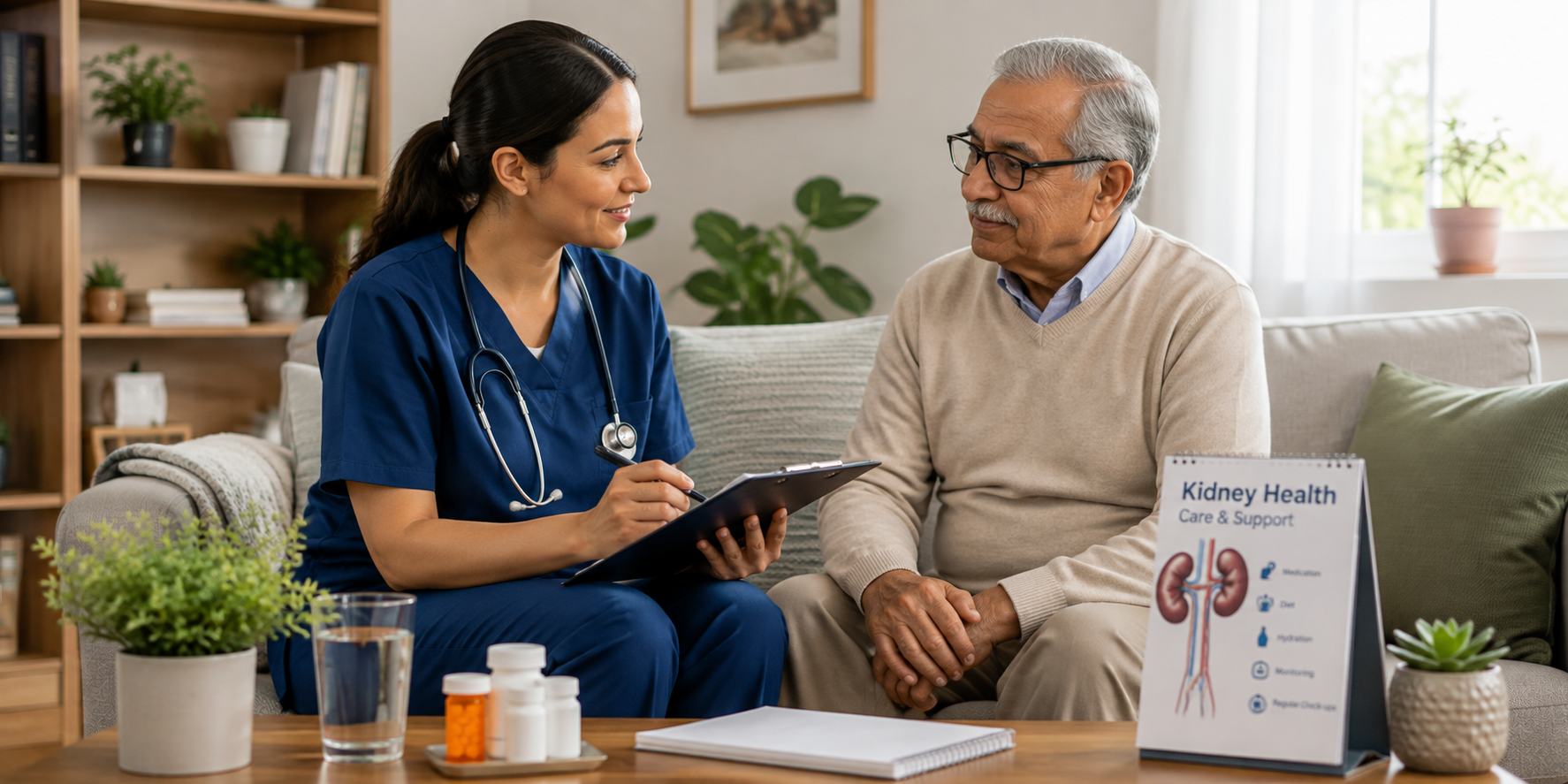
Routine medical visits remain important for managing chronic conditions and preventing complications. Medication reviews, vision screenings, and health monitoring help catch concerns early before they become more serious.
Supporting Emotional and Mental Well-Being
Emotional health strongly influences independence. Seniors who feel emotionally connected and mentally engaged often remain more motivated and active.
Preventing Social Isolation
Loneliness can quietly affect physical and mental health. Staying connected with family, friends, neighbors, and community groups helps seniors maintain emotional balance. Regular conversations, visits, or social activities provide comfort and reduce feelings of isolation.
Encouraging Hobbies and Interests
Hobbies keep the mind active and create joy in everyday life. Gardening, puzzles, reading, music, painting, and crafts stimulate creativity and mental focus. These activities also create structure, which helps many seniors maintain positive routines.
Managing Stress and Anxiety
Relaxation techniques can help seniors cope with stress and uncertainty. Gentle breathing exercises, journaling, meditation, and calming daily habits often improve emotional stability.
The Role of Technology in Independent Living
Technology has become a valuable partner in aging in place. Modern tools now help seniors stay safer, healthier, and more connected while living at home.
Using Medical Alert Systems
Wearable alert devices provide quick access to emergency assistance during falls or medical concerns. These systems create reassurance for both seniors and their families.
Staying Connected Through Communication Technology
Video calls, smartphones, and messaging apps help seniors remain socially connected. Virtual healthcare appointments also make medical care easier to access without constant travel.
Allied Home Health continues to support families with compassionate care services. We provide a trusted home nurse in Houston who assists seniors while encouraging safe independence at home.
Remote Health Monitoring Tools
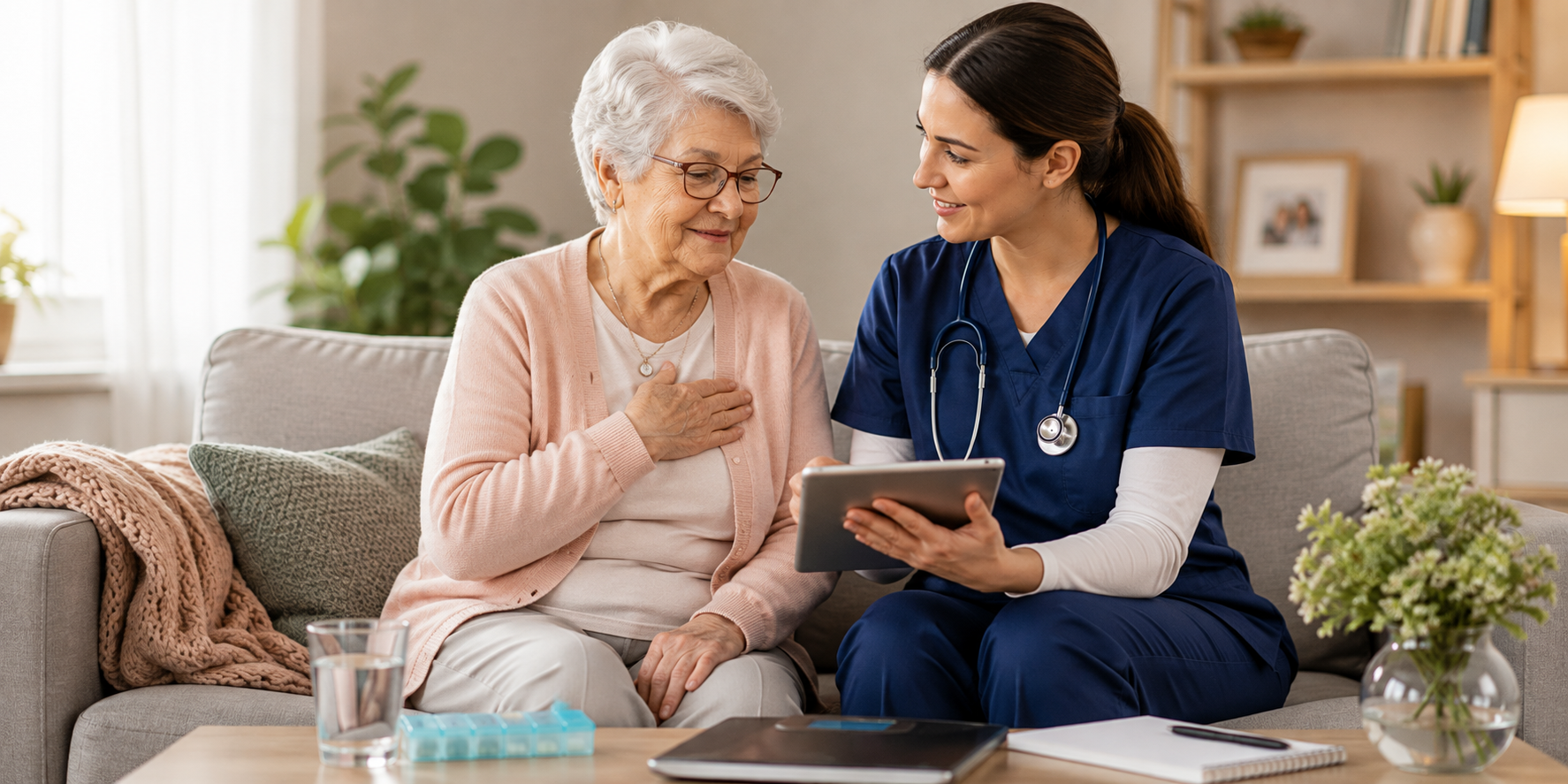
Digital blood pressure monitors, glucose trackers, pulse oximeters, and wearable devices support ongoing health tracking at home. These tools help identify changes earlier and support better communication with healthcare providers.
To Wrap Up
Encouraging independence for seniors aging in place involves much more than simply helping with daily tasks. It requires thoughtful planning, emotional support, safe home environments, healthy routines, and balanced assistance that respects dignity and personal choice. When seniors receive help without losing control over their lives, confidence often grows stronger.
Simple adjustments, meaningful relationships, physical activity, and professional care can all work together to create a safer and more comfortable lifestyle at home. Aging in place is not just about staying in one location. It is about preserving identity, routine, independence, and quality of life. With the right support system in place, seniors can continue enjoying meaningful, connected, and fulfilling lives right where they feel most at home.
Families searching for compassionate private-duty nursing in Houston can receive professional support from Allied Home Health. We balance medical assistance with dignity for the personal independence of aging seniors.
About Allied Home Health. Allied Home Health is a licensed private duty nursing agency serving Houston and the surrounding Harris County area from 2421 W. Holcombe Blvd, Houston, TX 77030. Call 713-524-4422 to talk through your family's situation.