Choosing the right level of care for a loved one can feel confusing, especially when terms like skilled nursing and basic care sound similar at first. As families begin to compare options, questions naturally arise, and those questions often connect to concerns about safety, recovery, and overall comfort.
One decision can shape daily life, which makes clarity so important. That is exactly why a comprehensive basic care and skilled nursing care comparison is so important. The difference between these two types of care can influence how well someone heals and how supported they feel. As we break things down step by step, you will see how each option serves a different purpose, and that clarity will help you move forward with confidence.
What Is Skilled Nursing Care?
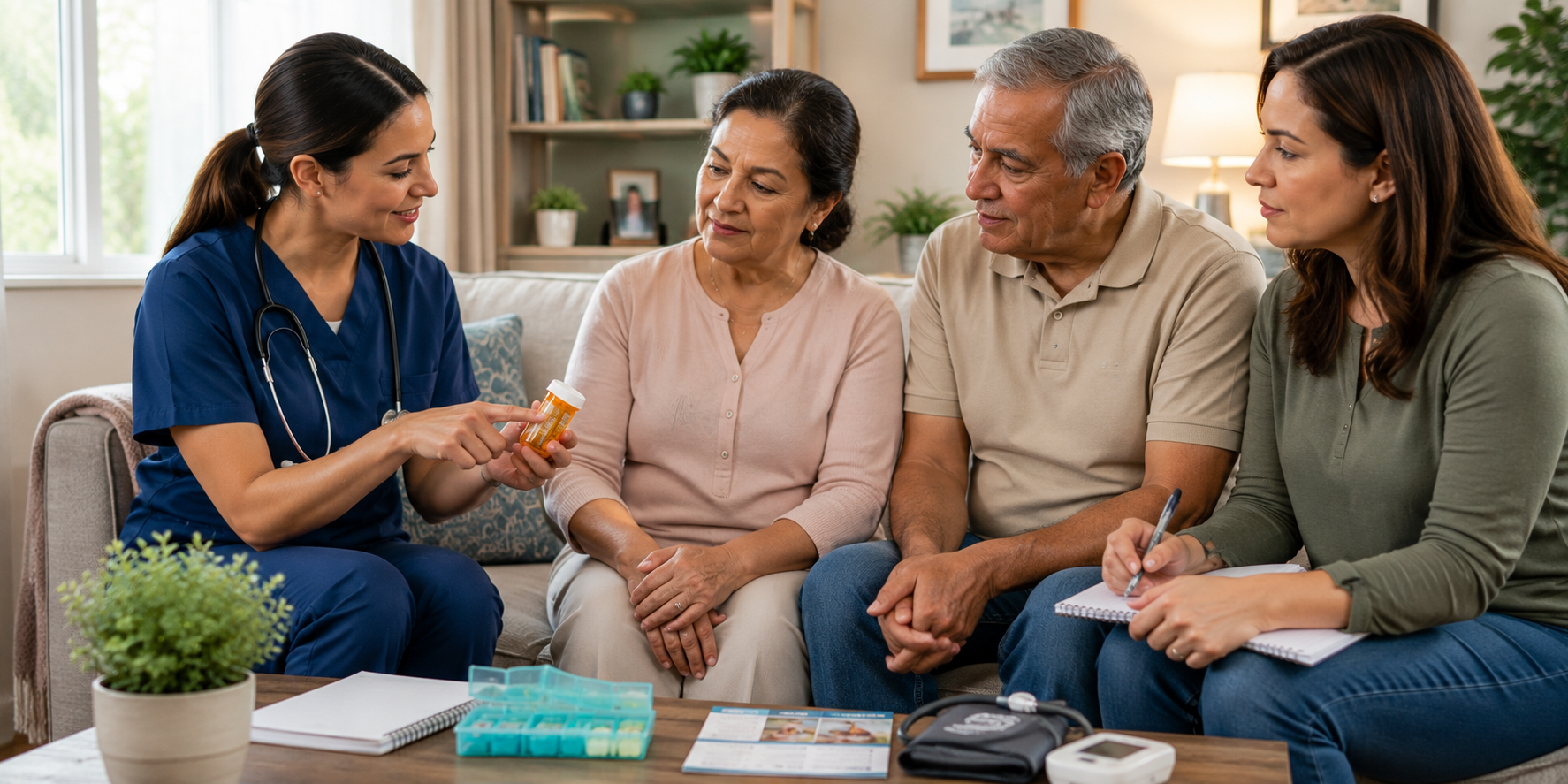
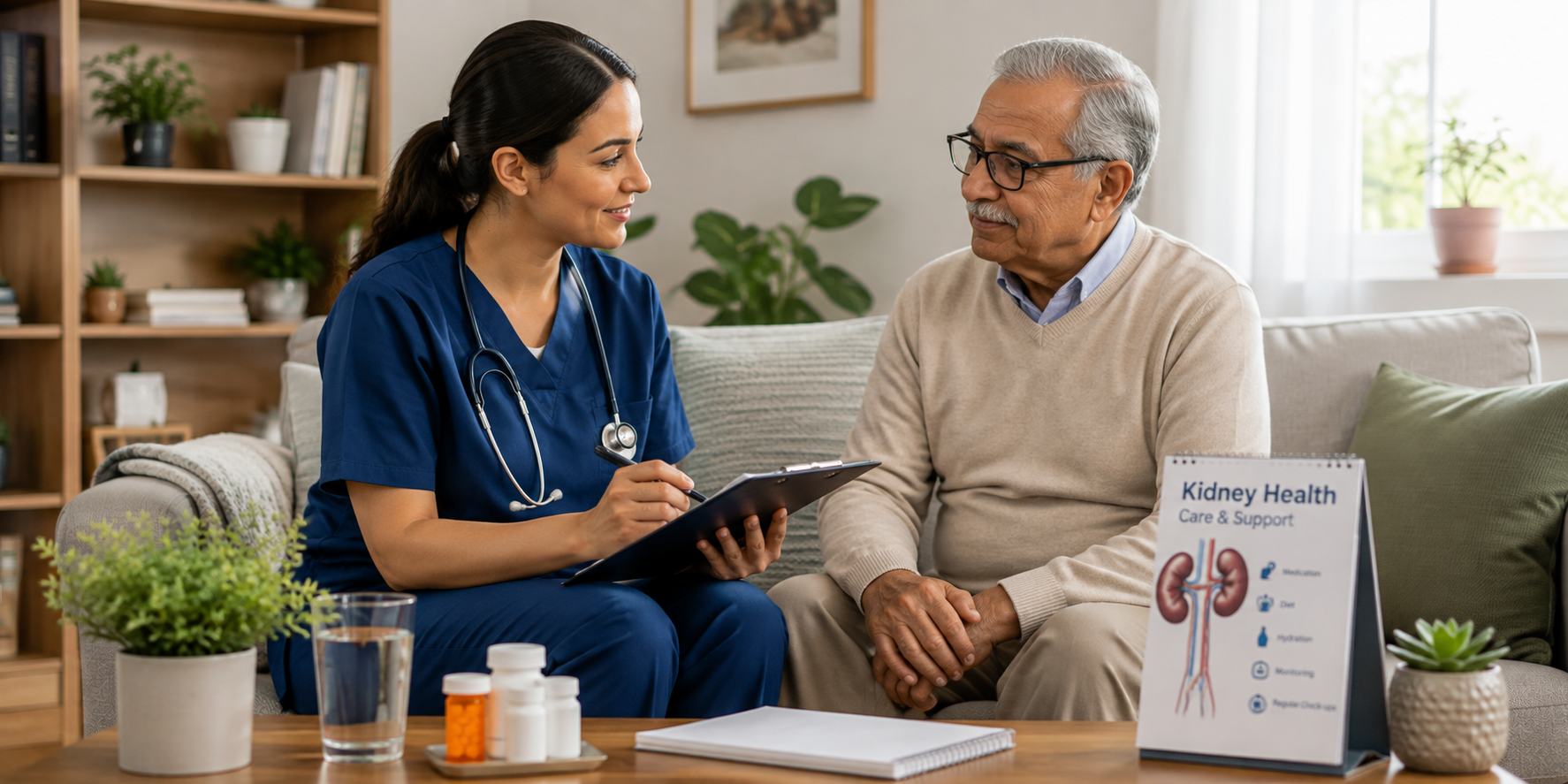
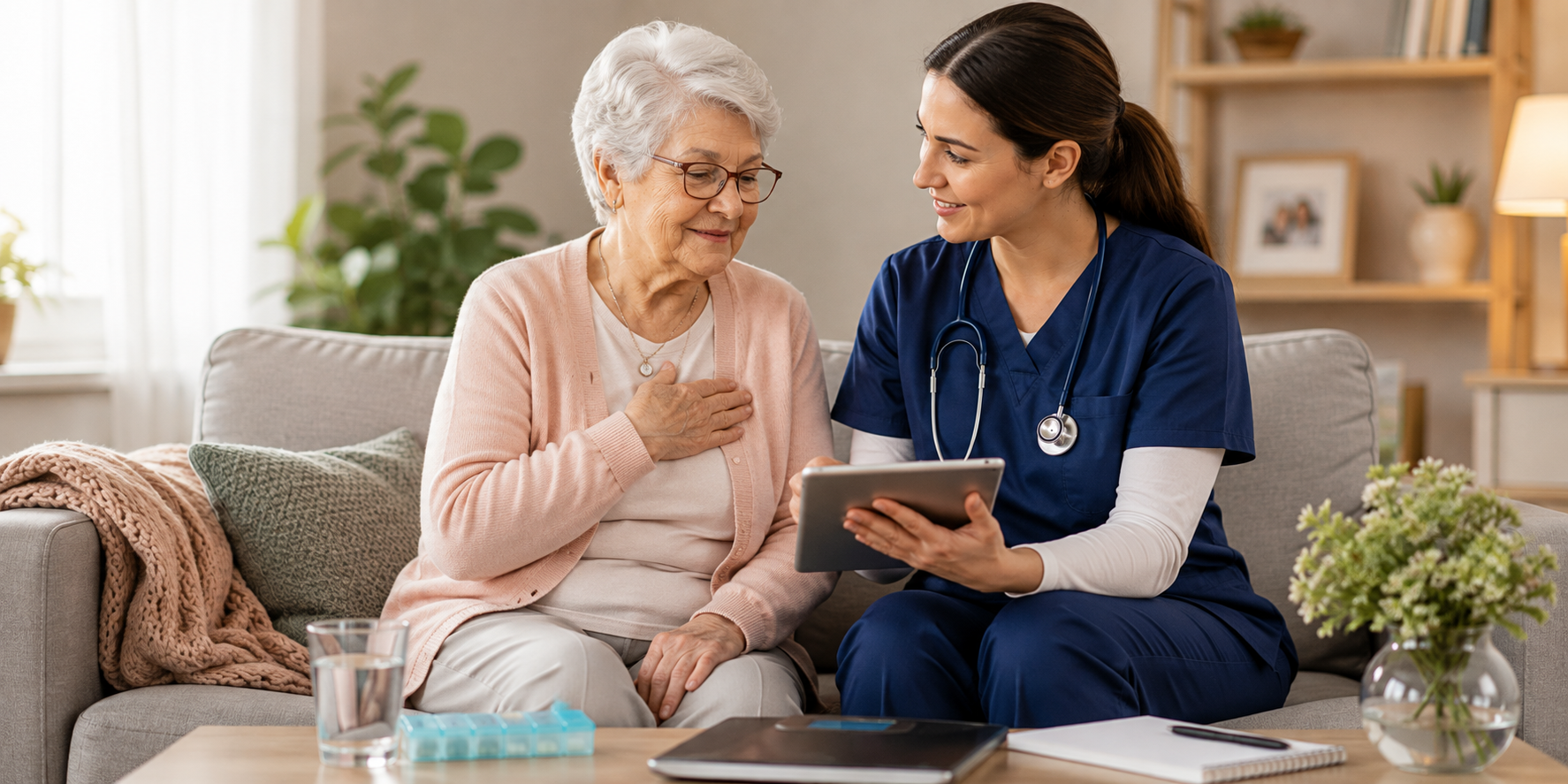
Skilled nursing care focuses on medical support that requires trained and licensed professionals, and that level of care brings a clinical approach into the home or a care facility. It is not just about helping someone feel comfortable; it is about managing health conditions that need close attention.
Registered nurses, therapists, and other healthcare providers deliver this care, and they follow structured treatment plans created by physicians. As a result, patients receive ongoing monitoring, which allows quick responses to any changes in their condition.
Key Requirements of Skilled Nursing Care
- Medical Monitoring and Supervision: Patients receiving skilled care are closely monitored, and consistent observation allows caregivers to notice even small changes in health.
- Medication Administration: Medications are given with precision, and that accuracy supports recovery while reducing risks linked to missed doses or incorrect timing.
- Wound Care and Treatment: Wound management plays a major role, especially after surgery or injury, and proper care helps prevent complications.
- Rehabilitation Therapies: Physical, occupational, and speech therapy often take place under skilled care, and these therapies help patients regain strength and independence.
- Chronic Disease Management: Conditions like diabetes or heart disease require careful monitoring, and skilled professionals guide patients through ongoing treatment.
- Post-Hospital Recovery Support: After a hospital stay, skilled nursing provides a structured path toward recovery, which helps reduce the chance of readmission.
When Is Skilled Nursing Care Needed?
Skilled nursing becomes necessary when medical conditions require close supervision and treatment. After surgery, patients often need wound care and monitoring, and that care helps prevent complications.
Chronic illnesses also call for skilled attention, as managing these conditions requires consistent tracking and adjustments. Rehabilitation after injury or stroke adds another layer, where therapy and medical support work together to restore function. As these situations unfold, skilled care provides the structure needed for recovery.
What Is Basic Care?
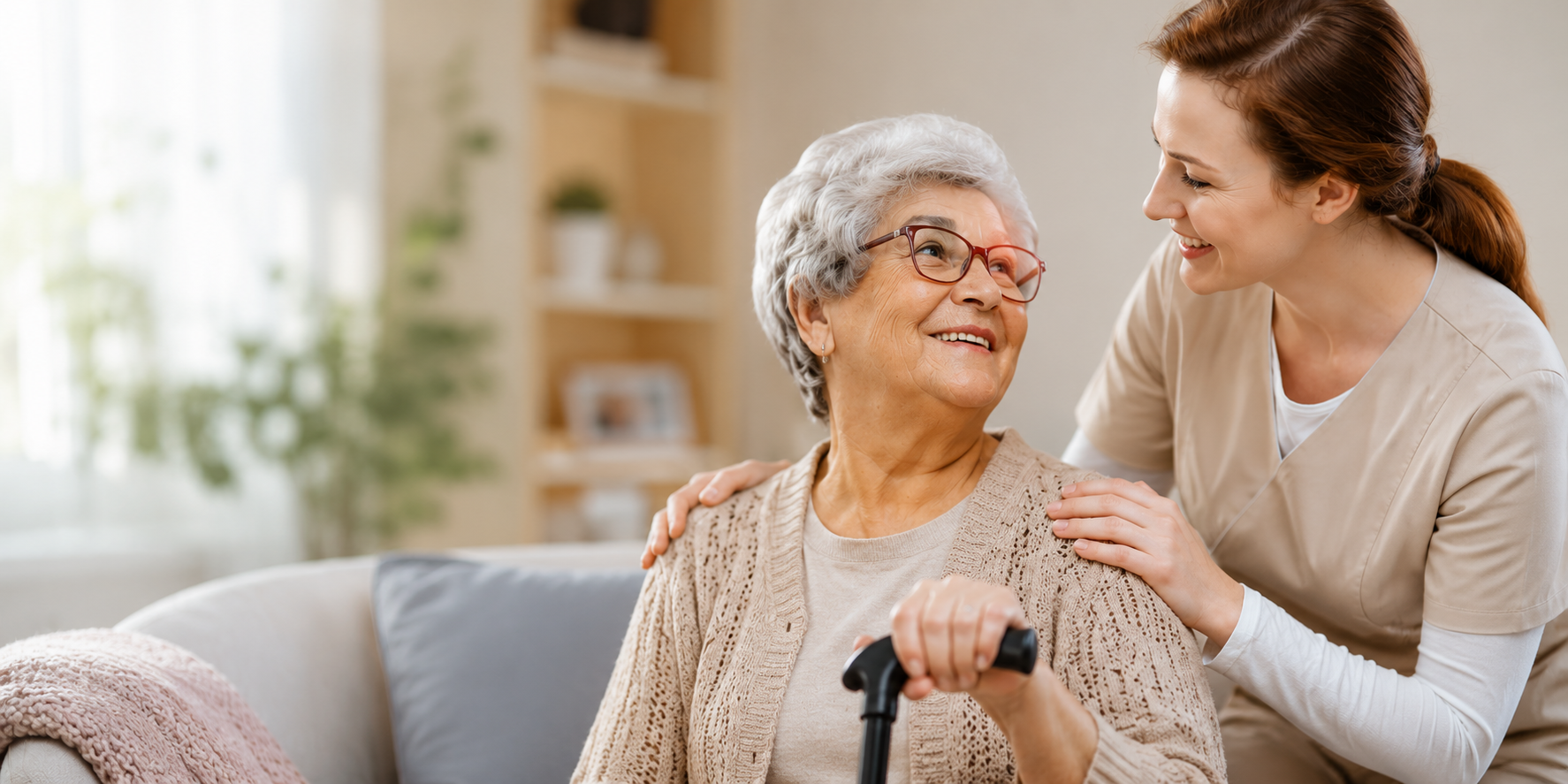
Basic care, often called non-medical care, focuses on daily support that helps individuals maintain comfort and independence. While it does not involve clinical treatment, it plays a powerful role in everyday life.
Caregivers assist with routine activities, and that support allows individuals to stay in a familiar environment while receiving help where needed. As this care continues, it becomes clear how basic care connects to overall well-being, even without medical intervention.
Key Features of Basic Care
- Assistance with Personal Hygiene: Caregivers help with bathing, grooming, and dressing, which supports dignity and comfort.
- Meal Preparation and Nutrition: Proper meals are prepared, and attention to nutrition helps maintain strength and energy.
- Mobility Support: Assistance with walking or moving around reduces the risk of falls, which is especially important for seniors.
- Companionship and Emotional Support: Simple conversations and shared moments create a sense of connection, and that connection improves emotional health.
- Household Assistance: Light housekeeping keeps the living space safe and organized, which adds to overall comfort.
- Daily Routine Support: Maintaining routines helps individuals feel stable, and that stability plays a key role in mental well-being.
When Is Basic Care the Right Choice?
Basic care fits best when individuals need help with daily tasks but remain medically stable. Seniors who require assistance with bathing, dressing, or mobility often benefit from this level of support. Companionship also plays a role, as social interaction helps reduce feelings of isolation. As caregivers step in to assist with routines, individuals can continue living comfortably while maintaining independence.
Skilled Nursing Vs Basic Care Assistance: What Sets Them Apart
At first glance, these two care types may seem similar, yet their core purpose sets them apart. Skilled care focuses on medical treatment, while basic care centers on daily living support. As this nursing care comparison becomes clearer, families can begin to match care needs with the right solution.
Level of Medical Expertise
Skilled care involves registered nurses and therapists, and their training allows them to handle complex medical situations. Basic care providers are trained to assist with daily tasks, and their role focuses on comfort rather than clinical treatment.
Type of Services Provided
Services include injections, IV therapy, and rehabilitation, which require professional oversight. Support includes bathing, dressing, and meal preparation, which helps maintain independence.
Patient Needs and Conditions
Patients with serious illnesses or recovery needs often require skilled care, as their condition demands close monitoring. Individuals who are stable but need help with daily activities benefit from basic care, which keeps life manageable.
Cost Differences
Medical expertise and equipment increase costs, and that reflects the level of care provided. Basic care tends to be less expensive, making it a practical choice for long-term support.
Frequency and Duration of Care
Skilled nursing often takes place for a limited time, especially during recovery periods. Basic care can continue for extended periods, adapting to changing needs over time.
We support families with compassionate care services designed around individual needs. Our trusted approach to home health in Houston connects professional care with the comfort of a familiar environment.
Can Skilled Nursing and Basic Care Work Together?
These two care types do not exist in isolation, and in many cases, they complement each other beautifully. A patient recovering from surgery may need skilled nursing for medical treatment, while also requiring basic care for daily tasks.
As both services work together, they create a complete care plan that addresses every aspect of well-being. This combined approach highlights how meeting nursing care requirements often involves more than one level of support.
Final Thoughts
The difference between skilled nursing and basic care becomes clear when you look at their purpose, level of expertise, and the needs they address. Skilled nursing focuses on medical treatment and recovery, while basic care supports daily living and comfort. As families weigh their options, the right choice depends on the individual’s condition and lifestyle needs. With careful consideration, it becomes easier to select care that offers both support and independence, creating a path that feels right for everyone involved.
We continue to provide dependable care that meets diverse needs across communities. Our experienced team offers a dedicated registered nurse in Houston who can deliver medical support with compassion and professionalism.
About Allied Home Health. Allied Home Health is a licensed private duty nursing agency serving Houston and the surrounding Harris County area from 2421 W. Holcombe Blvd, Houston, TX 77030. Call 713-524-4422 to talk through your family's situation.