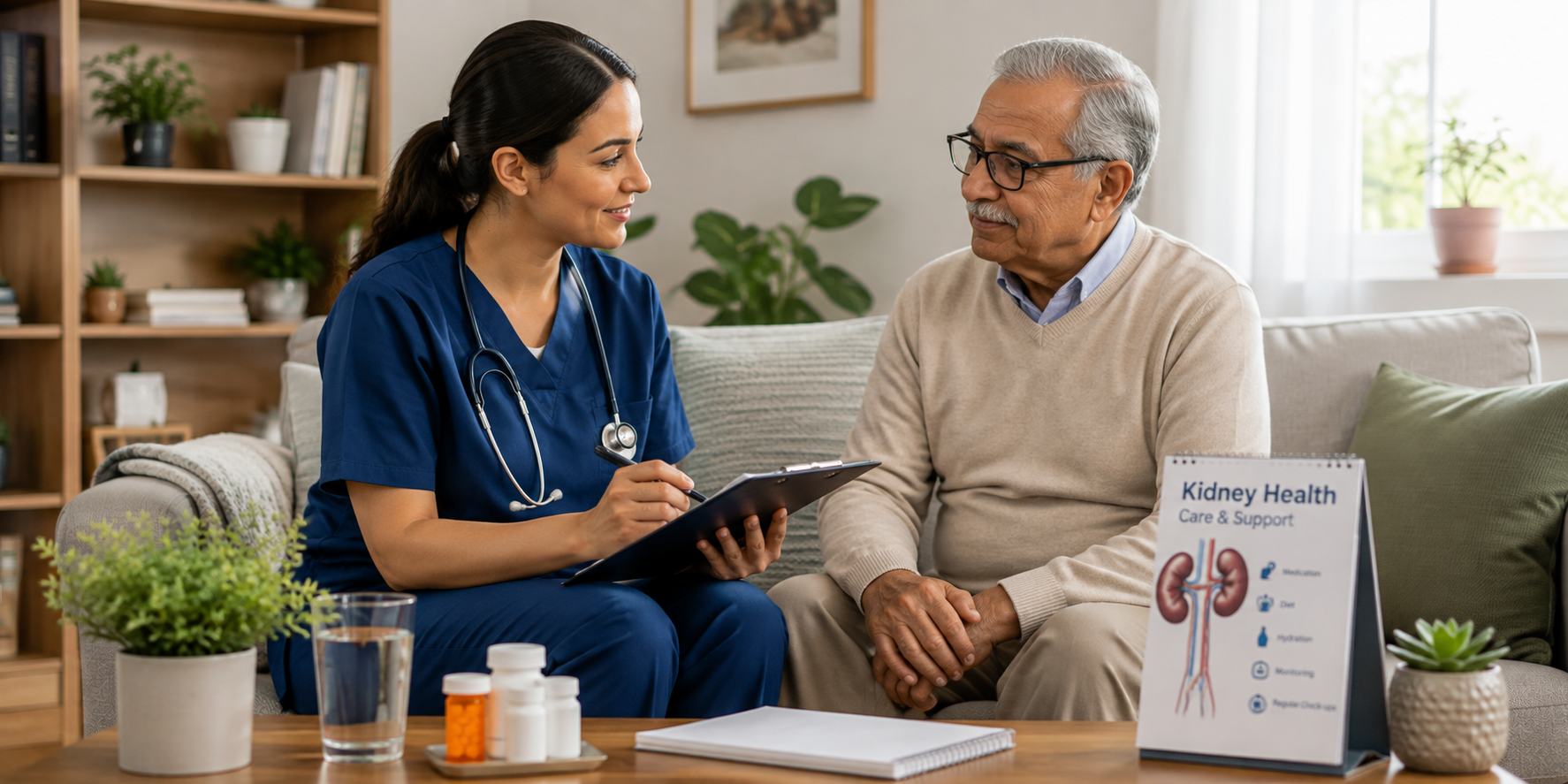
Receiving medical care at home has become more common, and that shift has opened the door for treatments that once required hospital visits. Among these, at-home IV therapy stands out as a convenient option for patients who need consistent hydration, medications, or nutritional support. While the comfort of home creates a calmer environment, the process itself still requires precision and care.
As you bring clinical treatment into a personal space, the need for proper handling becomes more important. A single missed step can lead to complications, and that reality highlights why safety cannot be treated as an afterthought. This guide connects practical advice with real-world application, helping patients and caregivers approach IV therapy with confidence and clarity.
What Is At-Home IV Therapy?
IV therapy involves delivering fluids, medications, or nutrients directly into the bloodstream through a vein. This method allows faster absorption, which makes it effective for a wide range of medical needs. When this treatment is provided at home, it allows patients to continue care without constant hospital visits.
As the setting changes, the responsibility also shifts, and that shift calls for careful attention to detail. Following proper home IV treatment protocols becomes essential, as it helps maintain the same level of care that one would expect in a clinical environment.
Why Patients Choose In-Home IV Therapy
Traveling to a medical facility multiple times for many patients a week can be exhausting. In-home IV therapy removes that burden and replaces it with convenience and comfort. Being in a familiar space can also reduce stress, which often supports better recovery.
At the same time, this convenience does not remove the need for structure. Instead, it introduces a new way of delivering care that balances comfort with responsibility.
The Importance of IV Therapy Safety
When you think about IV therapy, it helps to picture a direct pathway into the body. Because of this direct access, even small mistakes can lead to infections or other complications. That is why IV Therapy Safety must remain a constant focus during every step of the process.
Clean hands, sterile equipment, and accurate medication handling all work together like pieces of a puzzle. When each piece fits correctly, the entire process becomes safer and more reliable.
Role of Caregivers in IV Therapy
Caregivers often act as a steady support system, assisting with preparation, monitoring, and follow-up care. Their involvement adds another layer of safety, especially when patients feel unsure about certain steps. By staying attentive and informed, caregivers help maintain consistency, which plays a key role in successful treatment.
We continue to support families with reliable and compassionate services. Our trusted home health agency in Houston, TX, can provide guidance and hands-on assistance for managing IV therapy at home.
Home IV Treatment Protocols You Need To Follow
Here are some IV therapy guidelines that can reduce the likelihood of complications:
Preparing Your Home for IV Therapy
A clutter-free and well-lit area helps reduce contamination risks, and that clarity makes each step easier to follow. Having everything within reach prevents interruptions, and that preparation keeps the process smooth and controlled. A calm and attentive mindset reduces the chance of mistakes, which supports safer care overall.
A controlled environment minimizes distractions and prevents accidental contamination. Reading instructions carefully helps avoid dosing errors, and that attention protects patient safety. Moreover, washing hands thoroughly before handling any equipment acts as the first line of defense against infection.
Following Proper Sterile Techniques
Sterile technique acts like a shield that protects the body from harmful bacteria. Each time the IV line is accessed, that shield must remain intact. Cleaning connection points, using alcohol wipes, and handling equipment with care all contribute to this protection.
Monitoring The IV Site and Patient Condition
- Checking for Redness or Swelling: Changes around the insertion site can signal irritation or infection, and early detection helps prevent escalation.
- Observing Pain or Discomfort: Unusual pain should never be ignored, as it often indicates that something needs attention.
- Watching for Fluid Leakage: Leakage around the catheter can disrupt treatment and increase infection risk.
- Tracking Body Temperature: A rise in temperature may indicate infection, which requires prompt action.
- Monitoring Overall Well-Being: Symptoms like dizziness or fatigue can provide clues about how the body is responding.
- Reporting Concerns Quickly: Timely communication with healthcare providers helps address issues before they worsen.
Daily Care and Maintenance of IV Lines
Maintaining an IV line requires consistent care, and that care includes flushing the line as instructed to prevent blockages. This step keeps the pathway clear and allows medications to flow properly.
Protecting the insertion site during daily activities also plays an important role. Covering the area while showering and avoiding excessive movement helps maintain stability and cleanliness.
Preventing Infections at Home
Infection prevention remains one of the most critical parts of IV therapy. Since the line enters the bloodstream directly, even minor contamination can lead to serious health issues.
Simple habits like washing hands, using sterile supplies, and keeping the environment clean create a strong defense. These habits may seem basic, yet they form the backbone of safe IV therapy practices.
When to Seek Immediate Medical Attention
Certain signs should never be ignored, as they indicate the need for urgent care. Fever, severe swelling, or sudden pain at the IV site are clear warning signals. Additional warning signs, such as chest pain, trouble breathing, or dizziness, should also be addressed without delay. Acting quickly in these situations can prevent serious complications and protect patient health.
Professionals continue to provide dependable care for individuals who need ongoing medical support at home. We offer personalized assistance, and qualified registered nurses in Houston can help manage IV therapy with accuracy and attention to detail!
Final Thoughts
At-home IV therapy brings together convenience and clinical care, yet that combination requires careful attention at every step. From preparation to monitoring, each action contributes to a safer and more effective experience.
By following structured routines, maintaining hygiene, and staying connected with healthcare providers, patients and caregivers can manage IV therapy with confidence. As these practices become part of daily life, in-home treatment transforms into a reliable and supportive path toward recovery.
About Allied Home Health. Allied Home Health is a licensed private duty nursing agency serving Houston and the surrounding Harris County area from 2421 W. Holcombe Blvd, Houston, TX 77030. Call 713-524-4422 to talk through your family's situation.