Remote patient monitoring (RPM) is quickly becoming one of the most impactful tools in modern elder care. As more seniors choose to age in place, families and healthcare providers are turning to smart, real-time technology to help manage chronic conditions, track health status, and provide peace of mind.
But what exactly is remote patient monitoring, and why is it so valuable for older adults? Let’s explore the benefits of remote patient monitoring for seniors and how this technology is changing the way care is delivered at home.
What Is Remote Patient Monitoring for Seniors?
Remote patient monitoring for seniors uses digital devices to collect health data and share it with healthcare professionals without the patient needing to visit a clinic. These tools monitor key health indicators such as blood pressure, heart rate, oxygen saturation, and glucose levels. The data is transmitted to a secure system where doctors or certified nurses can monitor the patient’s health and intervene if needed.
Remote patient monitoring offers major advantages for seniors managing chronic conditions like diabetes, hypertension, and heart failure. It allows healthcare teams to detect early warning signs and make timely decisions, often preventing unnecessary hospital visits.
Key Benefits of Remote Health Monitoring for Elderly Adults
The benefits of remote health monitoring for elderly individuals go far beyond convenience. This model of care provides multiple layers of support for both patients and their families.
Early Detection and Timely Intervention
Remote monitoring provides instant access to important health data. If a senior’s blood pressure spikes or their oxygen levels drop, the care team is alerted immediately. This kind of early detection means conditions can be treated before they escalate, reducing the risk of hospitalization or emergency care.
Increased Independence
A large number of seniors choose to remain in the familiar comfort of their own homes. With RPM, they can stay on top of their health without significantly changing their daily routines. Families gain peace of mind knowing someone is always monitoring their loved one’s condition.
Fewer Hospital Visits
Remote patient monitoring helps limit unnecessary in-person appointments and lowers the risk of hospital readmissions. With continuous monitoring, many issues can be addressed virtually, which is especially important for those with mobility limitations or compromised immune systems.
Improved Chronic Disease Management
Remote patient monitoring devices for seniors provide accurate and ongoing tracking of chronic conditions. Medications can be adjusted in real time, and any sudden health changes can be handled before they worsen.
Better Communication with Healthcare Providers
Seniors and their families often struggle to keep up with doctor appointments and follow-up care. RPM devices simplify this process by enabling consistent communication between patients and care providers. Some systems include direct messaging, video consultations, or automated reminders for medications.

Common Remote Patient Monitoring Devices for Seniors
There are a variety of remote patient monitoring devices designed specifically for elderly users. Many of these devices are lightweight, easy to use, and come with features that address common health concerns in older adults.
- Blood Pressure Monitors
- Pulse Oximeters
- Glucose Monitors
- Smart Scales
- Wearable ECG Monitors
All of these tools help care teams provide more accurate, proactive treatment. With regular tracking, seniors can avoid complications that often result from delayed medical responses.
How Families Benefit from Remote Monitoring
Remote monitoring isn’t limited to seniors; it supports other age groups as well. Families play a key role in caregiving, and RPM offers them added reassurance.
- Reduced Caregiver Stress: RPM eases the burden on family caregivers by giving them backup support. They no longer have to rely solely on in-person observation or frequent check-ins.
- Real-Time Access: Many RPM platforms allow authorized family members to access the same data as the care team.
- Better Coordination of Care: When caregivers, nurses, and doctors are all on the same page, the quality of care improves.
Why Remote Monitoring Works Best with Professional Support
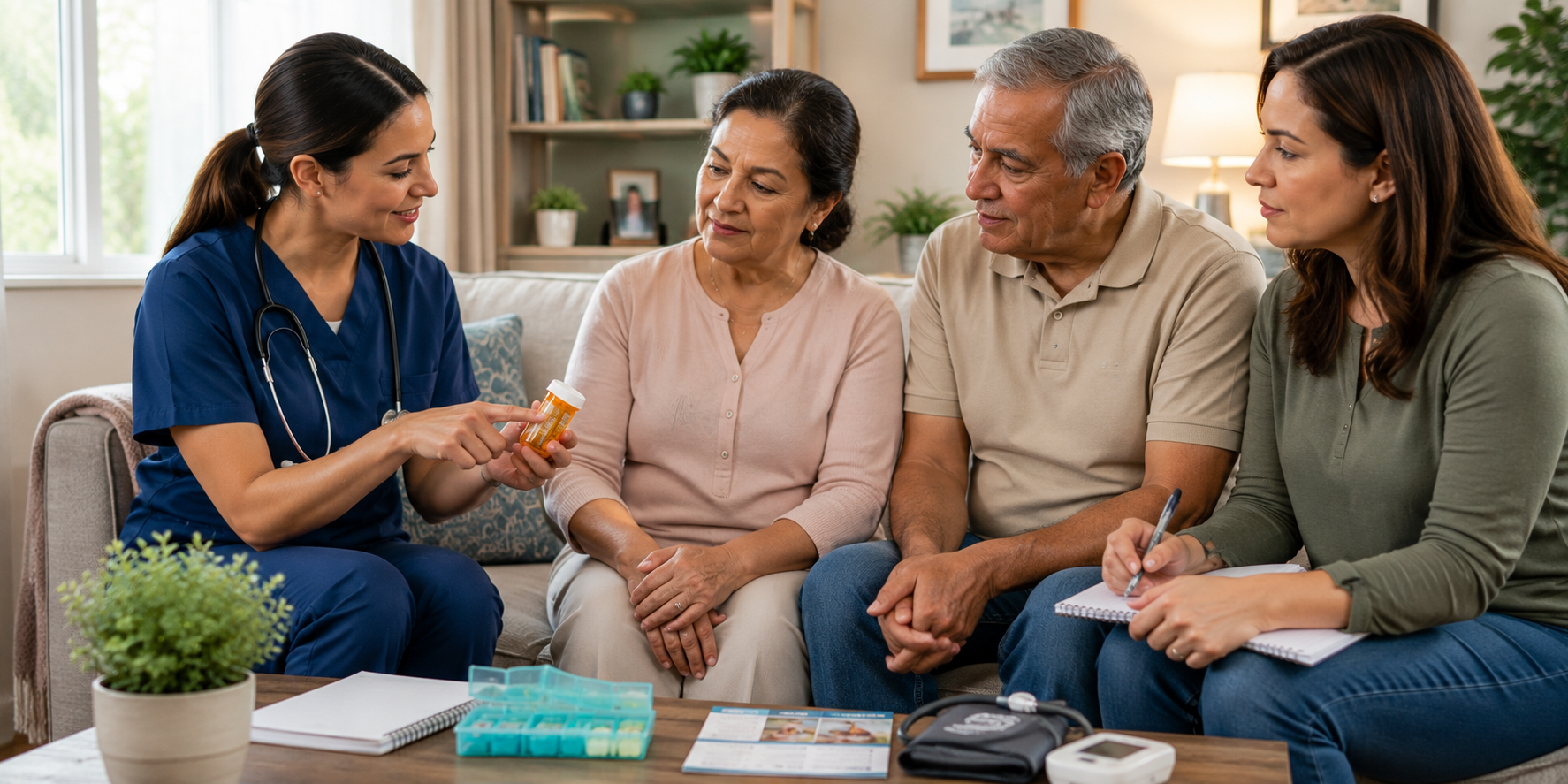
While remote patient monitoring devices for seniors are valuable, their full potential is only realized when combined with trained healthcare professionals. Monitoring systems need oversight, interpretation, and timely action. That’s when skilled home health providers step in. They help choose the right devices, set up the system, and stay on top of health changes, all without disrupting your loved one’s routine.
Challenges of Remote Patient Monitoring and How to Overcome Them
Though RPM has many advantages, it’s important to be aware of a few challenges:
- Technology Comfort Level: Not all seniors are comfortable using digital devices. Support from caregivers and proper guidance can make it easier to manage the challenges.
- Internet Connectivity: Reliable internet is essential for real-time data transmission. Areas lacking strong internet access may encounter certain restrictions.
What Lies Ahead for Remote Health Monitoring for Seniors
As technology continues to evolve, remote patient monitoring will likely expand to include even more advanced features. Artificial intelligence, predictive analytics, and wearable devices are all expected to play a bigger role. These innovations will make it even easier to detect early warning signs and personalize care.
Seniors can expect RPM systems that are easier to use, more affordable, and integrated with other healthcare tools like electronic medical records. Starting in 2025 and moving forward, remote monitoring is set to become a key component of in-home care for seniors.
Final Thoughts
Remote patient monitoring is reshaping elder care by offering safer, smarter, and more responsive solutions. The benefits of remote health monitoring for elderly adults are clear. With the right support system and the latest tools, families can feel more confident about their loved one’s care.
If you’re considering remote monitoring as part of your care plan, working with a trusted home health provider can make all the difference. For a professional, compassionate home health agency in Houston that includes remote patient monitoring for seniors, contact Allied Home Health. Our team of certified nurses is here to help your loved ones stay healthy, safe, and independent at home!
About Allied Home Health. Allied Home Health is a licensed private duty nursing agency serving Houston and the surrounding Harris County area from 2421 W. Holcombe Blvd, Houston, TX 77030. Call 713-524-4422 to talk through your family's situation.