Home-based healthcare is becoming a preferred choice for many families across the US as more people recognize the comfort and stability that living at home provides. Aging adults, individuals recovering after surgery, and those managing chronic medical conditions often feel safer and more at ease when they can receive care in the environment they know best. The growing demand for licensed nurse home care reflects a shift toward personalized, high-quality support that does not require a hospital or long-term care facility.
Caring for a loved one at home can feel overwhelming when medical needs become more complex. Families often struggle with managing medications, tracking symptoms, and performing clinical tasks that require professional training. A licensed nurse brings essential medical expertise into the home, reducing stress and preventing avoidable complications. Their involvement promotes stronger health outcomes and reassures families that their loved one is getting the attentive care they genuinely require.
This blog explains the top eight benefits of hiring a licensed nurse for home care. By the end, you will have the information you need to make an informed decision about the kind of support that can help your loved one thrive at home.
Top Benefits of In-Home Nursing
1. Professional Medical Expertise
Formal Training and Clinical Skills
Licensed nurses complete rigorous education and certification. That training prepares them to perform clinical tasks with accuracy and confidence. They understand disease processes and use evidence-based approaches to care. When a patient has complex needs, a trained nurse provides the clinical competence that family members often cannot offer.
Assessment and Monitoring Capabilities
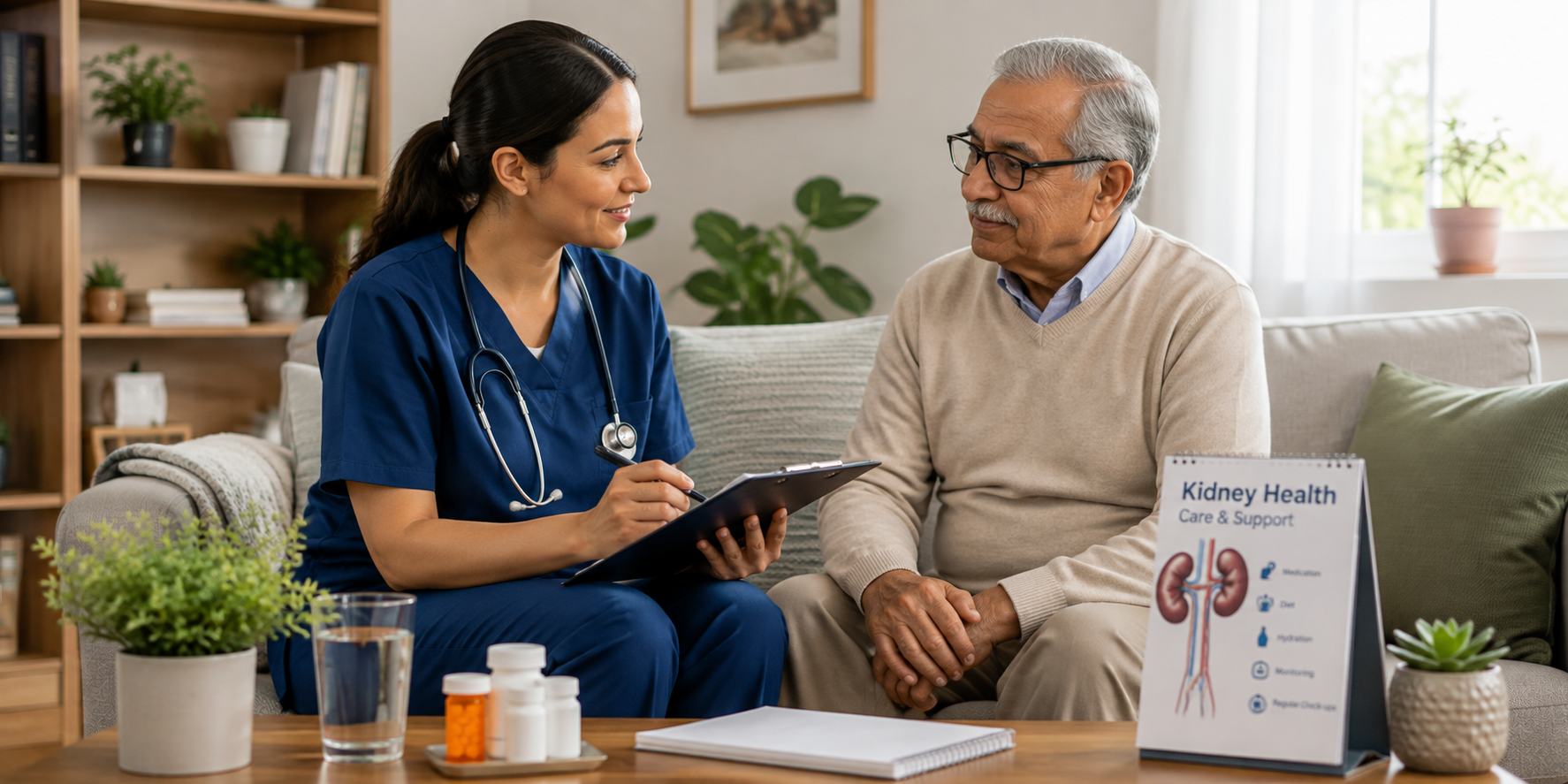
A licensed nurse evaluates a patient’s condition, tracks vital signs, and notices small changes that matter. This ongoing assessment helps in treatment decisions and prevents minor issues from becoming major problems. That continuous attention is one of the clearest advantages of professional home nurse services.
2. Safe Medication Management
Accurate Dosing and Scheduling
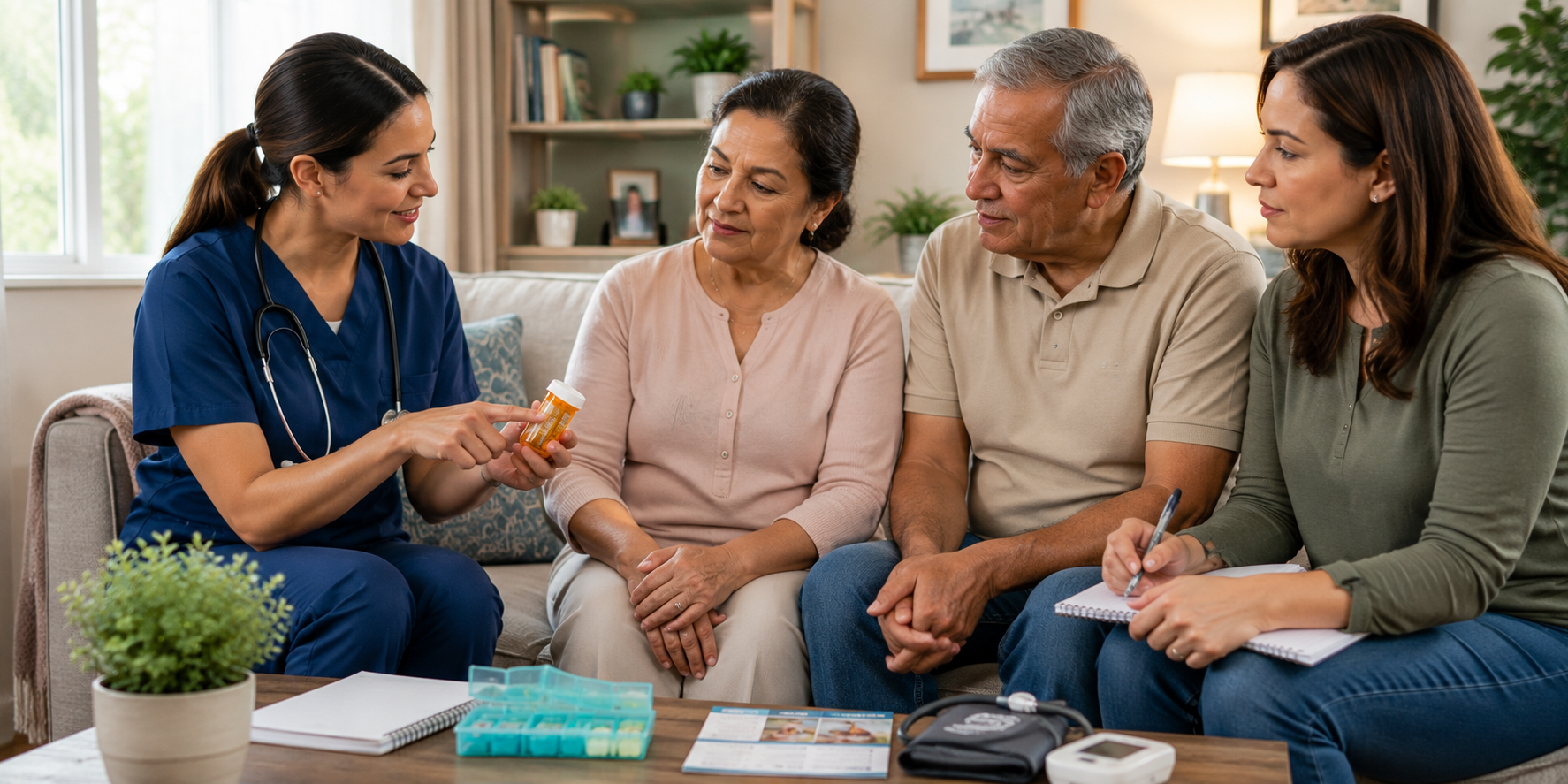
Medication complexity often increases after hospital discharge. Licensed nurses manage dosing schedules, confirm correct administration, and handle medications that require special techniques. They guarantee doses are given on time and in the correct form, which reduces the risk of harmful mistakes.
Preventing Medication Errors
Nurses cross-check prescriptions, watch for drug interactions, and verify allergies. That diligence reduces the chance of medication errors that lead to emergency visits. For families, this level of oversight is a core benefit of in-home nursing.
3. Personalized Care Plans
Personalized Plans Based on Medical History
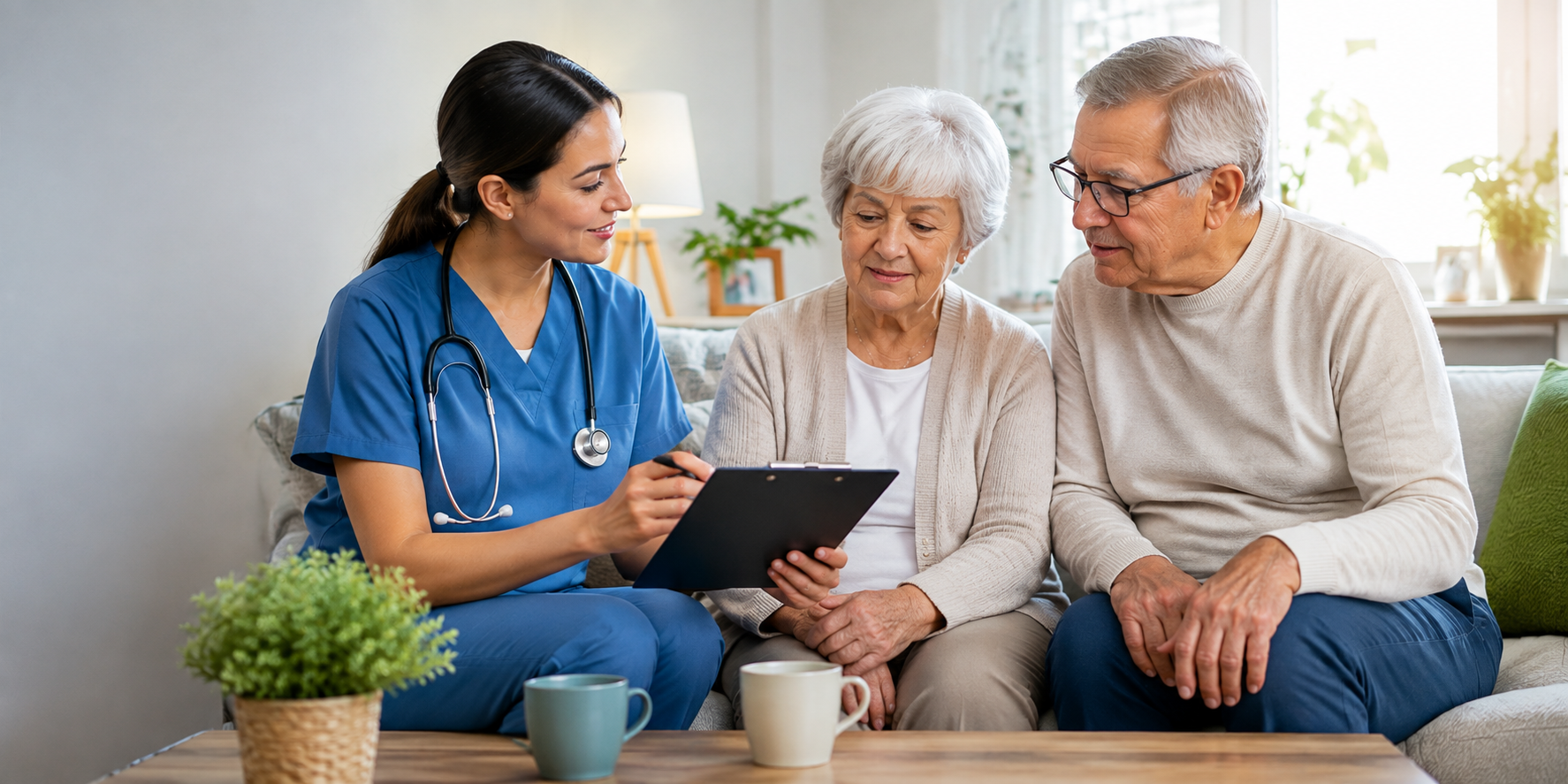
Licensed nurses develop care plans created for each patient’s medical history, current condition, and personal preferences. These plans combine clinical needs with daily routines, so care fits into life naturally. That personalization ensures treatments are practical and sustainable. If you would like personalized guidance about home health care in Houston, Allied Home Health can help you explore licensed nursing options and create a plan personalized to your needs.
Ongoing Adjustments and Coordination
As conditions change, licensed nurses adjust plans and coordinate with primary care clinicians, specialists, and therapists. That coordination keeps everyone aligned on goals and treatments. Skilled nursing care at home is not static. It adapts as the patient improves or faces new challenges.
4. Early Detection of Health Changes
Recognizing Subtle Signs
Licensed nurses are trained to detect subtle signs that may go unnoticed by non-clinicians. Small shifts in appetite, sleep, or skin tone can signal emerging issues. Detecting these changes early can prompt timely interventions.
Preventing Complications
Early intervention often reduces complications and hospital admissions. Licensed nurses act quickly when they identify concerning trends. This proactive approach typically results in improved health outcomes and reduced overall costs.
5. Post-Surgery and Chronic Illness Support
Wound Care and Injections
After surgery or with chronic conditions, patients often need specialized tasks such as wound care, injections, and catheter management. A licensed nurse performs these procedures with sterile technique and professional standards, reducing infection risk and speeding recovery.
Rehabilitation and Therapy Support
Licensed nurses support rehabilitation goals by assisting with exercises, coordinating therapy visits, and monitoring progress. They help patients follow therapy plans and adapt exercises safely at home. This hands-on support makes recovery more effective and less stressful.
6. Greater Safety and Reduced Risks
Mobility Assistance and Fall Prevention
Licensed nurses assess mobility needs and recommend safety measures. They guide safe transfers, suggest assistive devices, and oversee home safety modifications. These actions reduce fall risk and increase independence for the patient.
Emergency Response Skills
A licensed nurse is trained to respond to medical emergencies. They stabilize patients, administer urgent care steps, and communicate effectively with emergency responders when needed. That ability to act fast adds a layer of protection for everyone in the home.
7. Emotional Support and Peace of Mind for Families
Reducing Caregiver Stress
Family caregivers often shoulder heavy responsibilities with little training. When a licensed nurse is present, family members can focus on emotional support and meaningful time with their loved one. Professional supervision relieves daily pressure and reduces caregiver burnout.
Professional Comfort and Reassurance
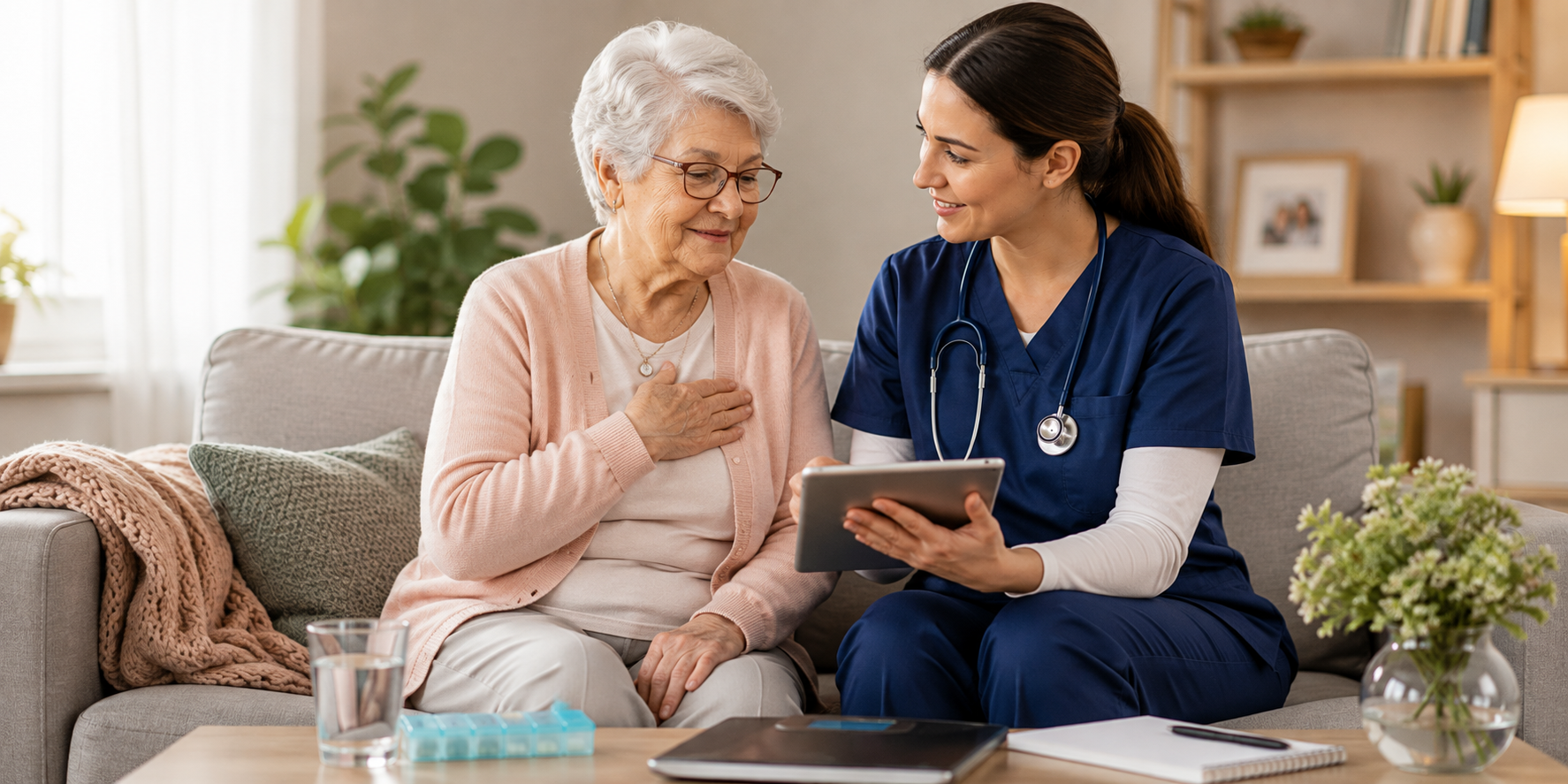
Licensed nurses explain the care process and answer questions about treatment choices. That clarity fosters trust and confidence. Knowing a skilled clinician is handling medical needs offers families real peace of mind.
8. Improved Quality of Life for the Patient
Comfort, Independence, and Dignity
Receiving skilled care at home supports comfort and a sense of normalcy. Patients can maintain daily routines and personal privacy while getting the medical attention they need. This balance supports emotional well-being and preserves dignity.
Consistent Care That Supports Well-Being
One of the key home health nurse advantages is the patient’s ability to receive consistent, personalized care in a familiar environment that supports both comfort and confidence. Regular, competent nursing care reduces disruptions. Stable routines and reliable clinical oversight help patients maintain better health and more consistent moods. Over time, the steady presence of a licensed nurse contributes to improved overall quality of life.
To Wrap Up
Hiring a licensed nurse for home care brings clear clinical strengths and compassionate support into the home. The benefits include professional medical expertise, safer medication practices, individualized care plans, and early detection of health issues. Nurses also support recovery after surgery, reduce everyday risks, and ease the emotional load on family caregivers. Most importantly, skilled nursing care at home helps patients live with comfort, independence, and dignity. If your family is weighing care options, consider the practical, long-term advantages a licensed nurse adds to the care team.
For families seeking hands-on daily assistance alongside nursing care, Allied Home Health is the best choice. Our team helps you connect with certified nursing assistants in Houston, who work to deliver comprehensive support for all types of patient needs!
About Allied Home Health. Allied Home Health is a licensed private duty nursing agency serving Houston and the surrounding Harris County area from 2421 W. Holcombe Blvd, Houston, TX 77030. Call 713-524-4422 to talk through your family's situation.