Noticing changes in a loved one’s health can bring up a mix of worry, love, and uncertainty. Many families ask the same hard question: “When to hire a home nurse?” The answer is not always clear at first, but certain signs can point to the need for skilled support at home. This guide is here to help you spot those signs early and understand how home healthcare for seniors can improve safety, comfort, and peace of mind.
Why Professional Nursing Support Can Make A Difference
Family members often do their best to help, but medical needs can grow beyond what most people can manage safely. Professional nurses bring medical training, routine monitoring, and calm problem-solving into the home.
This kind of care supports recovery after illness, manages long-term conditions, and reduces hospital visits. It also helps families shift from constant worry to confident caregiving with expert backup.
That is where caregiving support at home becomes not just helpful, but necessary.
Physical Health Changes That Should Not Be Ignored
Some signs are easier to notice because they affect daily movement and physical comfort.
Frequent Falls Or Balance Problems
If your loved one is falling, tripping, or holding onto furniture while walking, safety is already at risk. Balance problems can come from muscle weakness, medication side effects, or neurological conditions. Nurses can help track symptoms and suggest safer routines.
Trouble With Daily Tasks
Struggling with bathing, dressing, or getting out of bed can signal declining strength or coordination. These tasks are not just about comfort. They are also about preventing infections and skin problems.
Poor Wound Healing
Slow-healing cuts, bed sores, or frequent skin infections need medical care. Nurses know how to clean wounds, change dressings, and watch for signs of infection.
These physical changes often show that monitoring elderly health at home needs professional support.
Medical Management That Feels Overwhelming
Managing health conditions can become complicated, especially when more than one issue is involved.
Medication Confusion
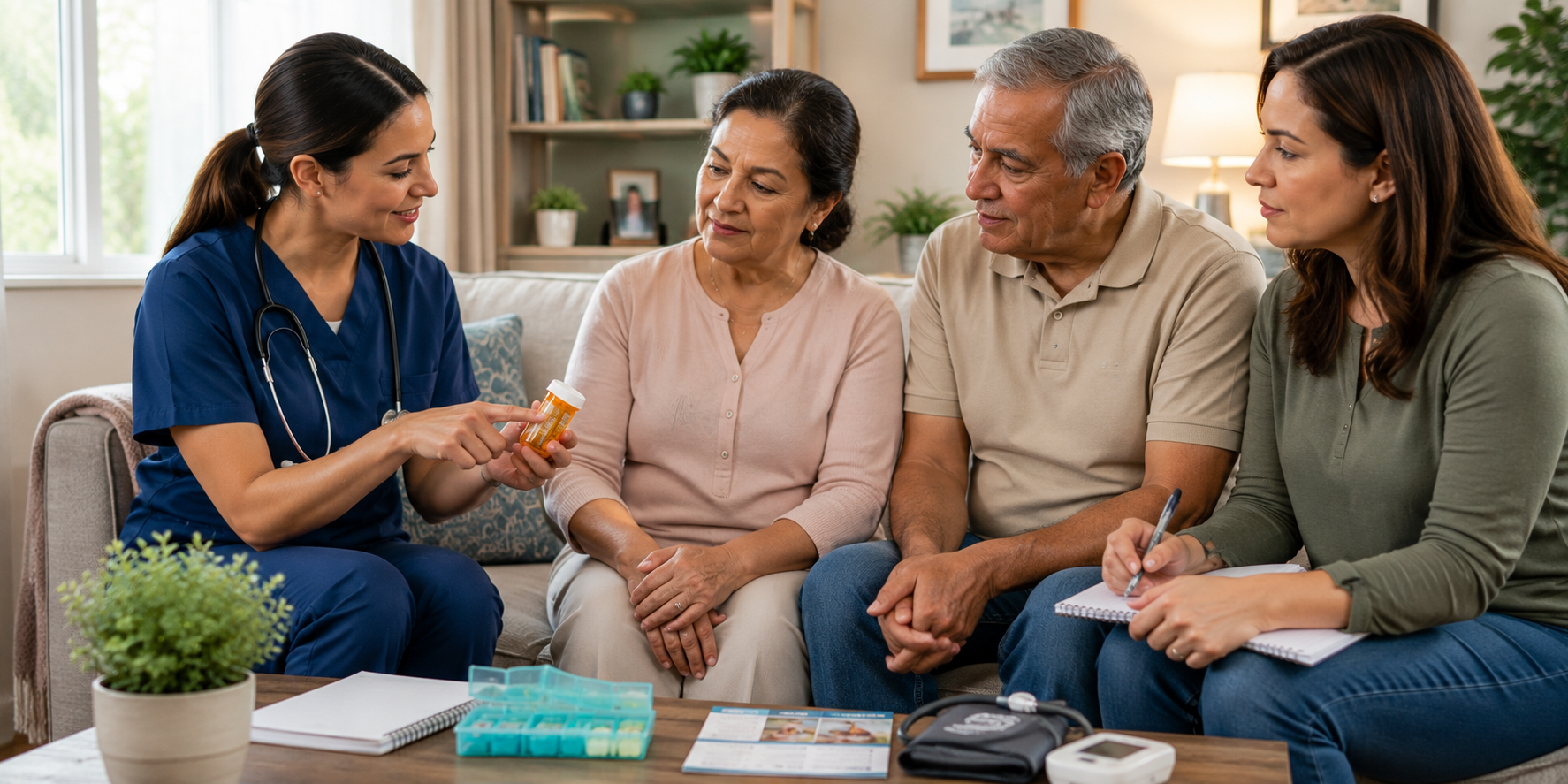
Missed doses, doubled pills, or mixing medications incorrectly can cause serious problems. A nurse helps with:
- Medication schedules
- Side effect monitoring
- Communication with doctors
Ongoing Health Conditions
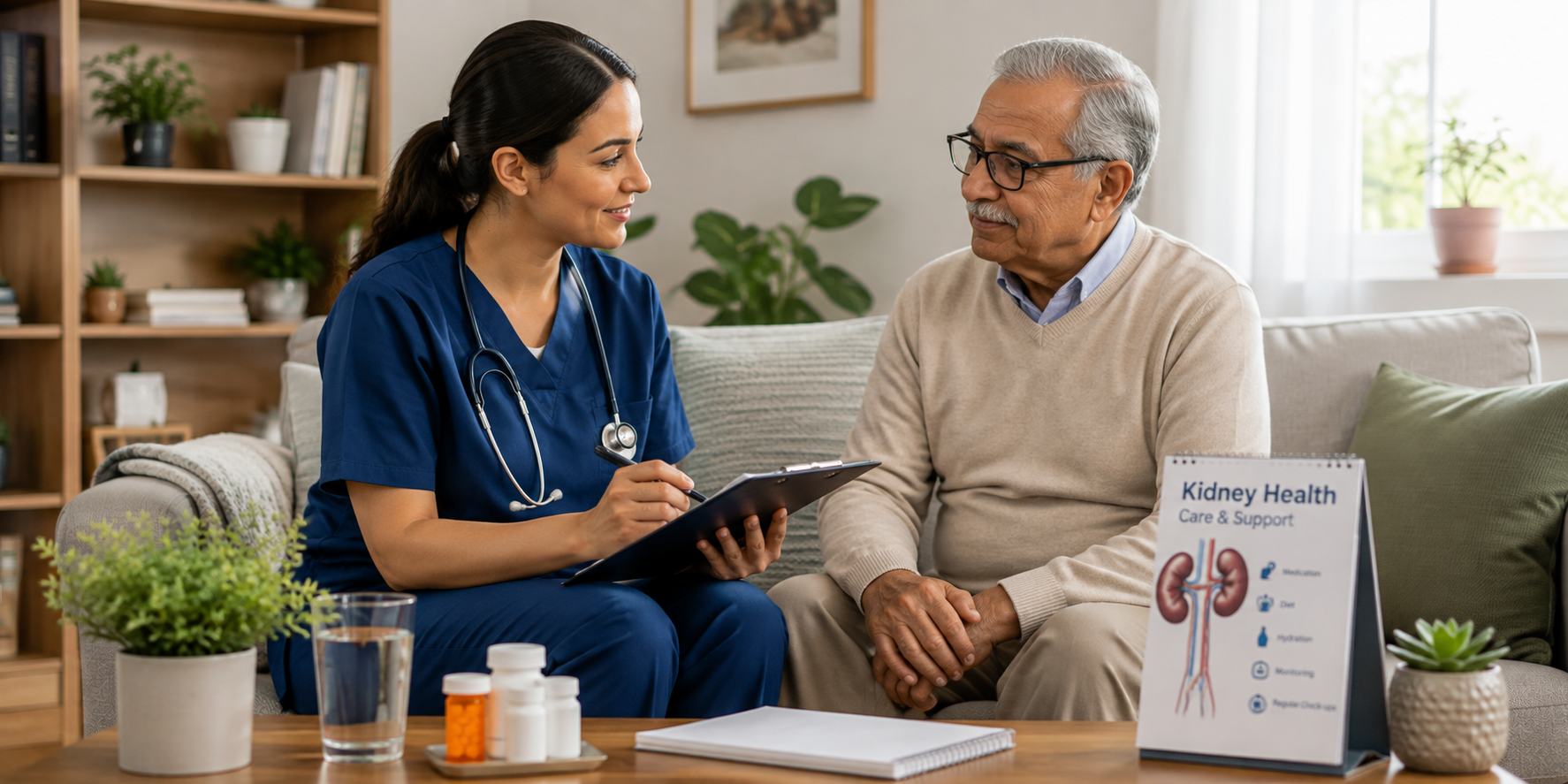
Diabetes, heart disease, breathing problems, and memory conditions often require regular monitoring. Nurses track vital signs and spot early warning signals before problems turn serious.
When medical tasks begin to pile up, families often turn to a home nursing services guide to understand the next steps and care options.
Changes In Behavior Or Thinking
Not all warning signs are physical. Emotional and mental shifts can also suggest that more support is needed.
Increased Confusion Or Forgetfulness
Getting lost in familiar places, forgetting meals, or repeating questions may point to memory-related conditions. Professional nurses can help monitor cognitive changes and report patterns to doctors.
Withdrawal From Social Life
When someone stops answering calls, avoids visitors, or loses interest in hobbies, it may signal depression or physical exhaustion. Emotional health is closely tied to physical well-being, and both deserve attention.
Sudden Mood Changes
Irritability, anxiety, or sadness without a clear cause can come from pain, medication reactions, or illness. Nurses can help identify triggers and suggest care adjustments.
These signs often mean that assisted living at home may offer better safety and emotional support than managing alone.
A Simple Home Care Needs Checklist
Sometimes it helps to see concerns laid out clearly. This home care needs checklist can guide your thinking.
| Area | Warning Signs | What Nursing Support Helps With |
| Mobility | Falls, weak balance | Safety routines and therapy guidance |
| Medications | Missed or mixed doses | Medication management |
| Hygiene | Trouble bathing or dressing | Infection prevention and skin care |
| Nutrition | Skipped meals or weight loss | Diet monitoring and meal support |
| Medical Tasks | Wound care or injections | Skilled medical treatment |
If several of these areas are a concern, professional nursing care can reduce risks and support daily comfort.
When Family Care Is No Longer Enough

Family caregivers often reach a point where constant care becomes physically and emotionally draining. Long nights, medical stress, and work demands can lead to burnout.
Signs that family caregivers may need backup include:
- Chronic exhaustion
- Feeling overwhelmed or anxious
- Skipping personal responsibilities
- Strained family relationships
Professional care supports not just the patient, but the entire family. That is the heart of caregiving support at home.
How Nursing Support Fits Into Daily Life
Some families worry that bringing in a nurse will disrupt routines or feel uncomfortable. In reality, good nursing care fits into daily life smoothly and respectfully.
Flexible Care Schedules
Care can be arranged for:
- A few hours each week
- Daily visits
- Full-time support
This flexibility allows families to adjust care as needs change.
Respect For Personal Space And Preferences
Nurses are trained to respect privacy, routines, and personal habits. Care plans are built around comfort, not control.
This approach allows home healthcare for seniors to feel supportive instead of intrusive. In some cases, families also hire a certified nursing assistant in Houston from Allied Home Health for daily care needs. This allows medical monitoring and personal care to work together under one care plan.
How To Start The Conversation With Your Loved One
Talking about nursing care can feel sensitive. Many people fear losing independence or being seen as a burden.
Helpful ways to start include:
- Focus on safety and comfort, not limitations
- Share specific concerns instead of general worries
- Involve them in care decisions whenever possible
When loved ones feel heard, they are more likely to accept support that protects their health.
Planning Ahead Reduces Crisis Decisions
Waiting for an emergency can force rushed choices during stressful moments. Planning early allows families to compare services, ask questions, and build trust with care providers.
Early planning also supports smoother transitions from hospital to home and reduces readmission risks.
This proactive approach makes monitoring elderly health at home more effective and less stressful for everyone involved.
Benefits Of Professional Nursing Support At Home
Professional nursing care brings structure and medical oversight into the home while allowing loved ones to stay in familiar surroundings.
Key benefits include:
- Faster recovery after illness or surgery
- Better management of long-term conditions
- Reduced emergency room visits
- Stronger communication with doctors
For many families, this level of care makes assisted living at home a realistic and safe option.
Conclusion
Recognizing the right time for nursing support can protect health, preserve dignity, and ease family stress. From physical changes to medication confusion and emotional shifts, these signs should never be ignored. Asking “When to hire a home nurse?” is not a sign of failure. It is a sign of responsible and loving care. With the right support, families can stay connected, confident, and focused on quality time instead of constant worry. If your family is noticing these signs and needs trusted help, we are here for you at Allied Home Health. Our professional team provides skilled, respectful, and reliable care designed around comfort and safety. Families that are seeking home health care in Houston should contact us today to learn how we can support your loved one at home with expertise and compassion.
About Allied Home Health. Allied Home Health is a licensed private duty nursing agency serving Houston and the surrounding Harris County area from 2421 W. Holcombe Blvd, Houston, TX 77030. Call 713-524-4422 to talk through your family's situation.