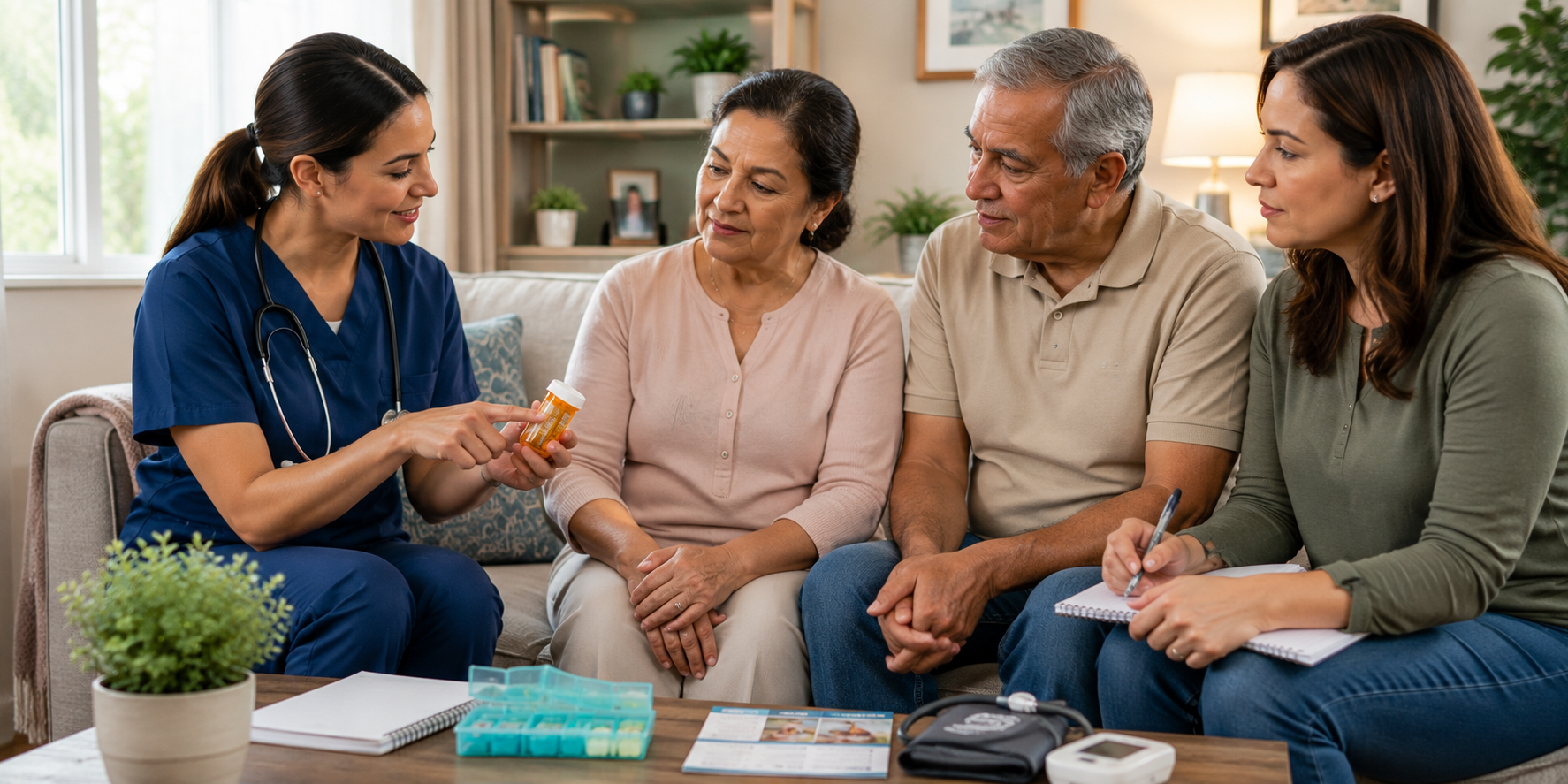
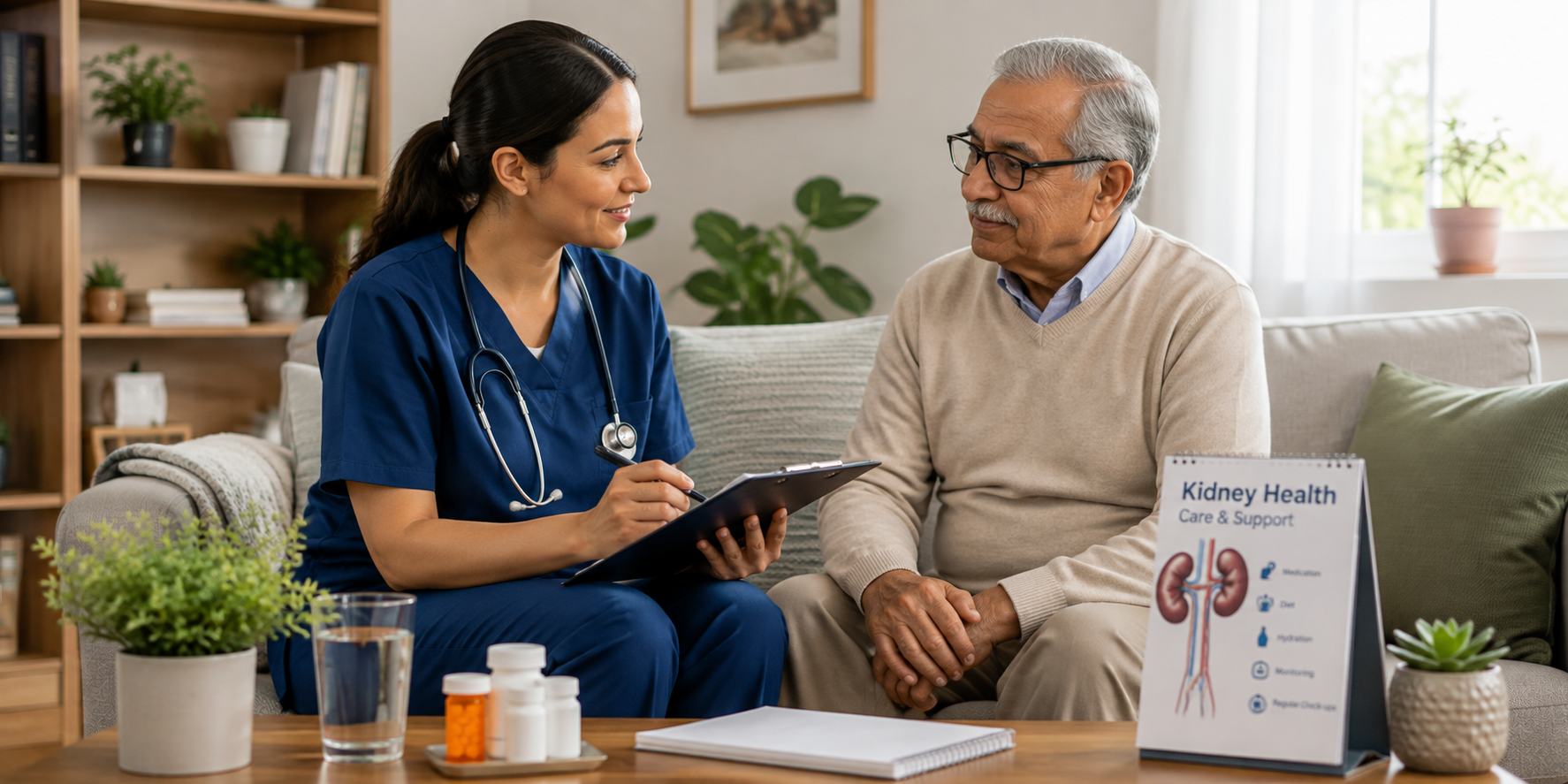
Technology continues to reshape every aspect of life, and home health care is no exception. In recent years, wearable health devices have emerged as a powerful tool, giving seniors and their caregivers a smarter, safer way to manage long-term care from the comfort of home. But what exactly are these devices doing for patients and families today?
Let’s explore the growing role and benefits of wearable health technology in home health care and how they’re improving outcomes, convenience, and peace of mind.
What Are Wearable Devices in Home Health Care?
Wearable devices in home health care are compact, tech-enabled tools that patients wear on their bodies to monitor vital signs, activity, or other health-related data. Examples of these tools range from fitness trackers and smartwatches to ECG monitors, fall detection devices, and wearable blood glucose sensors.
What makes these tools valuable isn’t just the data they collect; it’s how that information is shared with caregivers, private-duty registered nurses, and physicians in real time. This instant access to patient metrics supports timely interventions and reduces the risk of medical emergencies.
Benefits Of Wearable Health Technology At Home
Wearable health technology offers more than just ease of use; it brings significant advantages to both patients and caregivers. For individuals managing chronic conditions or recovering from surgery, these devices offer round-the-clock insight without constant clinical visits. Here are a few key advantages:
- Early Detection of Health Issues: Wearables can track changes in heart rate, oxygen levels, or blood pressure. Any unusual activity can trigger alerts, allowing providers to respond quickly.
- Support for Chronic Disease Management: Patients with conditions such as diabetes, heart disease, or COPD benefit from ongoing monitoring. Wearables allow caregivers to detect warning signs before symptoms escalate.
- Improved Medication Adherence: Some devices offer reminders for medication or hydration, helping patients stay on track with their care plans.
- Peace of Mind for Families: Real-time monitoring helps family members stay informed and reassured about their loved one’s health, even from a distance.
These tools are becoming especially valuable for those receiving private duty home health care, where one-on-one monitoring is already a priority.

Real-Time Data Sharing with Care Teams
A key strength of wearable devices lies in their capacity to transmit real-time health data instantly. Devices sync with mobile apps or cloud-based platforms that care teams can access instantly. This allows private-duty registered nurses to adjust care plans quickly, track progress remotely, and step in when intervention is needed.
This kind of data sharing is a game-changer for care coordination, especially for seniors receiving services from a home healthcare provider. It ensures care is both immediate and preventative, addressing issues before they escalate.
Greater Independence for Seniors
Wearable devices support one of the most important goals in elderly care: maintaining independence. Seniors can stay in their own homes longer with confidence, knowing they are being monitored without feeling watched. Devices are often discreet, lightweight, and easy to use, some only requiring a tap or voice command.
When paired with personalized care from a private duty registered nurse, wearables offer a balance between autonomy and safety that many older adults value deeply.
This reflects a broader trend in the impact of wearable devices on home care, putting more control in the hands of the patient while still maintaining oversight from medical professionals.
Enhancing Outcomes through Preventive Care
A major strength of wearable technology lies in its ability to support early detection and preventive care. Instead of reacting to symptoms after they become serious, wearables make it possible to identify risk patterns early. For example:
- A dip in oxygen levels may be the first sign of a respiratory issue.
- An irregular heart rhythm may suggest arrhythmia before symptoms are felt.
- Decreased mobility or balance could indicate an increased fall risk.
A New Layer of Support for Home Health Nurses
Certified home health nurses in Dallas and surrounding areas are already skilled at providing personalized care. Wearable devices simply make care smarter. Nurses can use data from these tools to:
- Monitor progress without additional home visits
- Follow up on specific metrics between appointments
- Detect early warning signs without relying solely on patient feedback
This tech-enabled approach allows certified nurses to provide more targeted, efficient, and effective care. It supports, rather than substitutes, human judgment, making decisions more informed and accurate.
Considerations Before Choosing a Wearable
While the benefits of wearable health technology are clear, choosing the right device still requires thoughtful planning. Some important things to consider include:
- Ease of Use: Is the device simple enough for the seniors to use on their own?
- Data Accuracy: Does it provide clinically relevant information?
- Battery Life: Can the device operate continuously throughout the day and night without needing frequent charging?
- Compatibility: Can it be synced with platforms used by your home health agency?
Embracing Innovation in Home Health Care
In places where demand for quality home care is growing rapidly, the shift toward technology-driven solutions is already underway. Home health care is adapting to meet the needs of today’s aging population by incorporating tools like wearables into everyday care. Healthcare providers who embrace this technology can offer a level of precision and responsiveness that sets them apart.
Summing It Up
Wearable health technology isn’t just a passing trend; it’s a permanent fixture in the future of elder care. By providing real-time data, supporting chronic condition management, and enhancing communication between care teams and families, wearable devices are transforming home care for the better. They empower seniors, support caregivers, and allow home health nurses to make more informed decisions, creating a safer, smarter, and more personalized care environment.
Need to learn more about wearable devices for home health care in Houston? If you’re exploring modern home care options for a loved one, wearable technology could be part of the solution. Contact Allied Home Health, your trusted home health agency in Dallas, to find out how our private-duty registered nurses can integrate wearable devices into your family’s care plan. Let’s make health care at home safer, simpler, and more connected!
About Allied Home Health. Allied Home Health is a licensed private duty nursing agency serving Houston and the surrounding Harris County area from 2421 W. Holcombe Blvd, Houston, TX 77030. Call 713-524-4422 to talk through your family's situation.