Recovering from a cardiac event is a critical period that demands comprehensive, coordinated care.
While traditional cardiac rehabilitation has often taken place in clinical settings, there’s a growing trend toward home-based recovery programs. These programs allow patients to heal in familiar surroundings while receiving tailored support that addresses their medical, emotional, and lifestyle needs.
This shift to home-based cardiac rehabilitation is especially relevant in today’s healthcare landscape, where convenience, accessibility, and personalized care are becoming priorities for patients and caregivers alike.
The Benefits of Home-Based Cardiac Rehabilitation
Home-based rehabilitation programs provide numerous advantages for cardiac patients. One of the most notable benefits is the ability to recover in the comfort and safety of one’s own home.
For individuals who face mobility challenges or lack easy access to transportation, avoiding repeated trips to medical facilities can ease stress and reduce logistical barriers to care.
Being in a familiar environment often contributes to greater emotional stability, reduces anxiety, and supports better adherence to prescribed recovery routines.
Research shows patients in home-based programs are more likely to complete rehabilitation plans. They also tend to engage more consistently in self-care and report higher satisfaction.
Personalized Recovery Plans for Cardiac Patients
Cardiac recovery is not a one-size-fits-all process. Each individual’s journey is influenced by their specific diagnosis, overall health, lifestyle, and personal goals. A well-designed recovery plan considers all these variables and provides a roadmap for safe and effective healing.
These personalized plans often include a structured exercise program tailored to cardiac capacity, nutritional guidance to support heart health, medication management, and strategies for coping with stress. Involving the patient and their family in developing these plans encourages accountability and ensures that recovery goals are realistic and achievable.
Consistent, Compassionate Care: The Impact of Private-duty Nursing
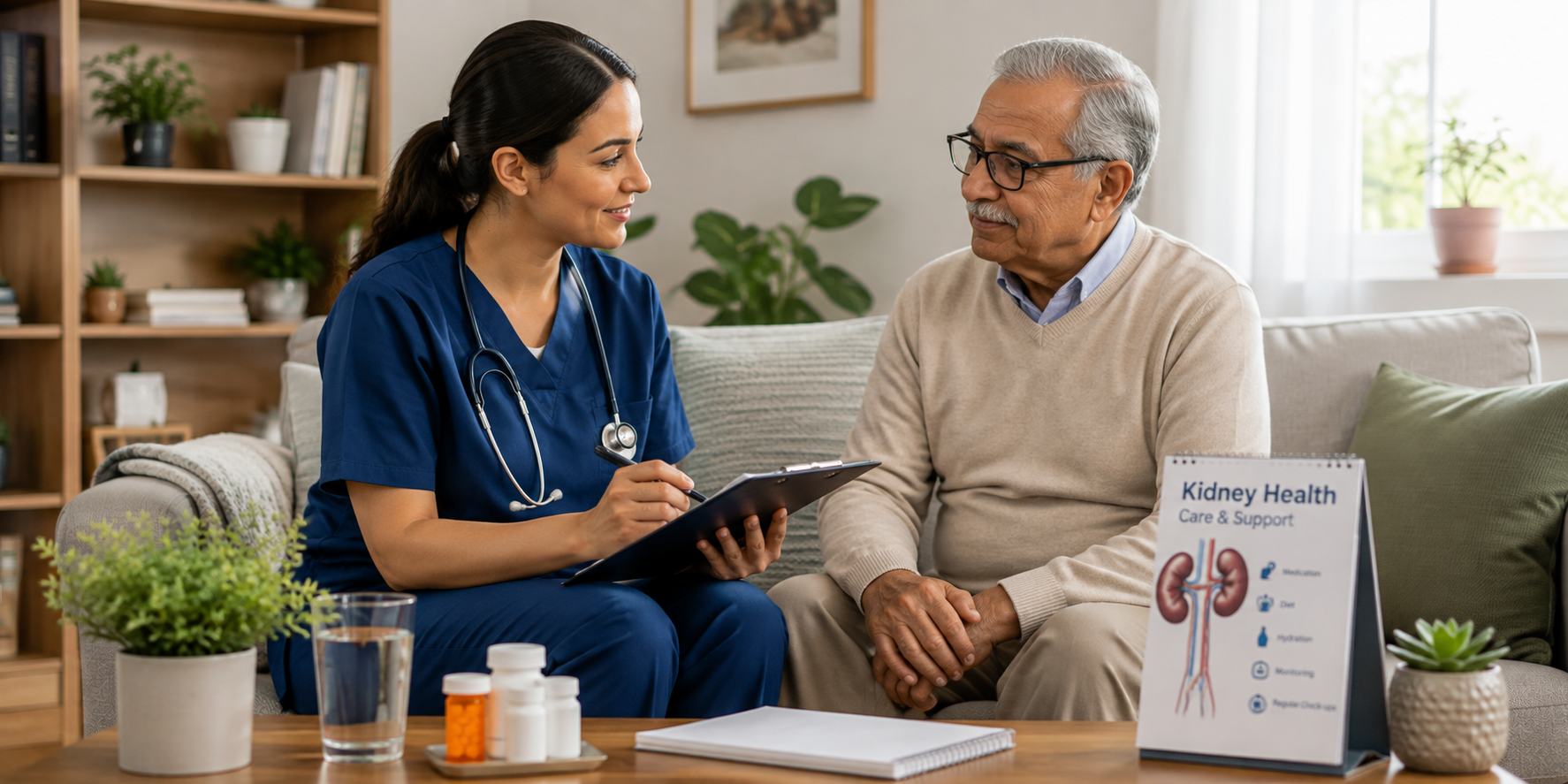
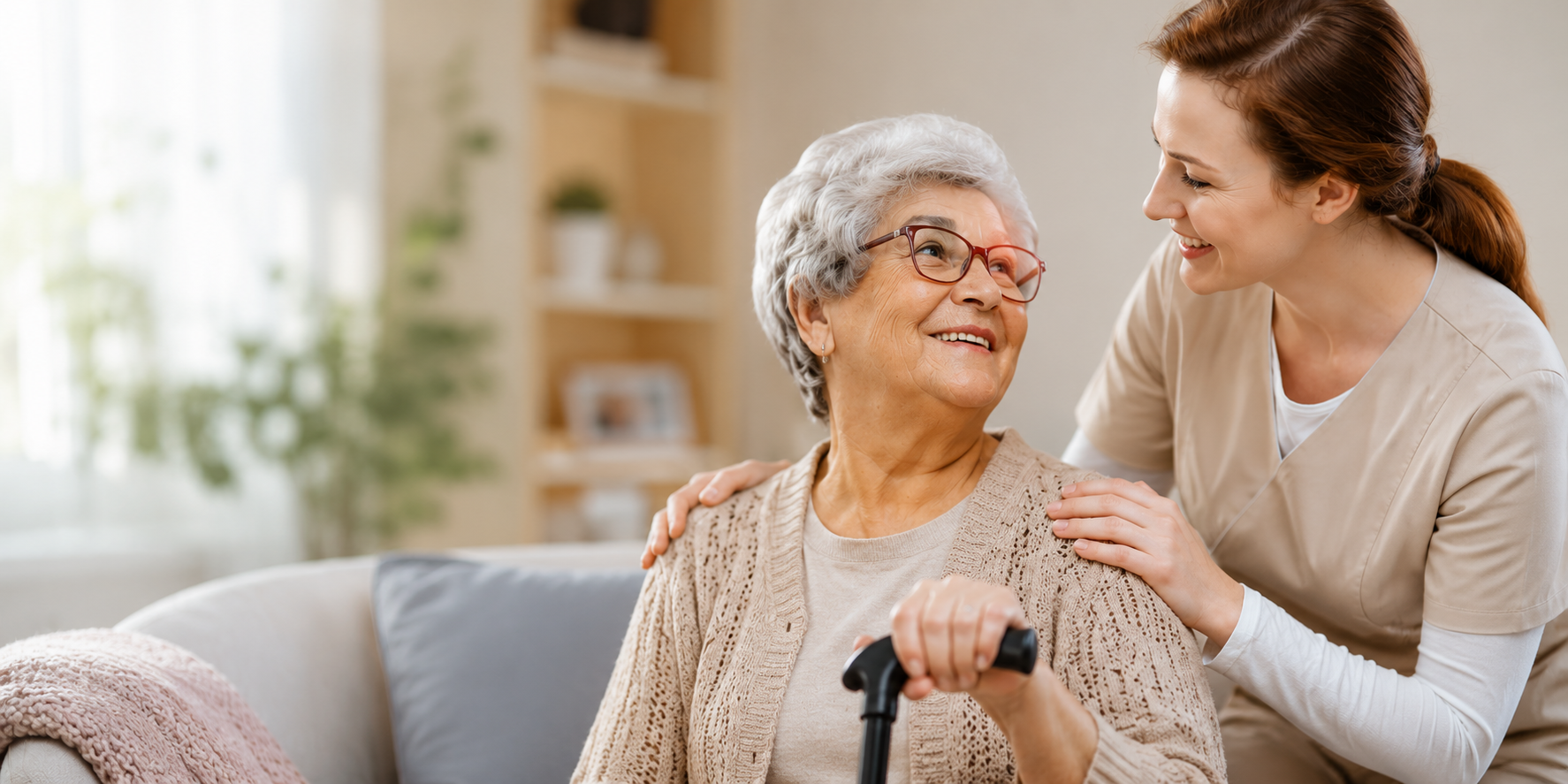
Private-duty registered nurses are instrumental in the success of home-based cardiac rehabilitation. They deliver hands-on clinical care, such as administering medications, monitoring vital signs, and responding promptly to any changes in the patient’s condition. Their continuous presence can reduce the risk of complications and lower the chances of hospital readmissions.
These professionals also serve as a vital link between the patient, family, and broader medical team. Their familiarity with the patient’s needs allows for seamless communication with physicians and specialists, helping to maintain continuity of care.
Implementing a Cardiac Recovery Strategy
Establishing and maintaining a structured recovery strategy is essential for optimal outcomes. A well-rounded plan generally includes:
- Gradual, supervised physical activity
- Dietary modifications for heart health
- Emotional support and stress-reduction techniques
- Regular health monitoring and follow-ups
Patient education is another cornerstone of effective rehabilitation. When individuals understand their condition and are equipped with tools to manage it, they are more empowered to take control of their recovery. This proactive approach helps build long-term habits that promote cardiovascular health and reduce the risk of future cardiac events.

Integrating Technology into Recovery
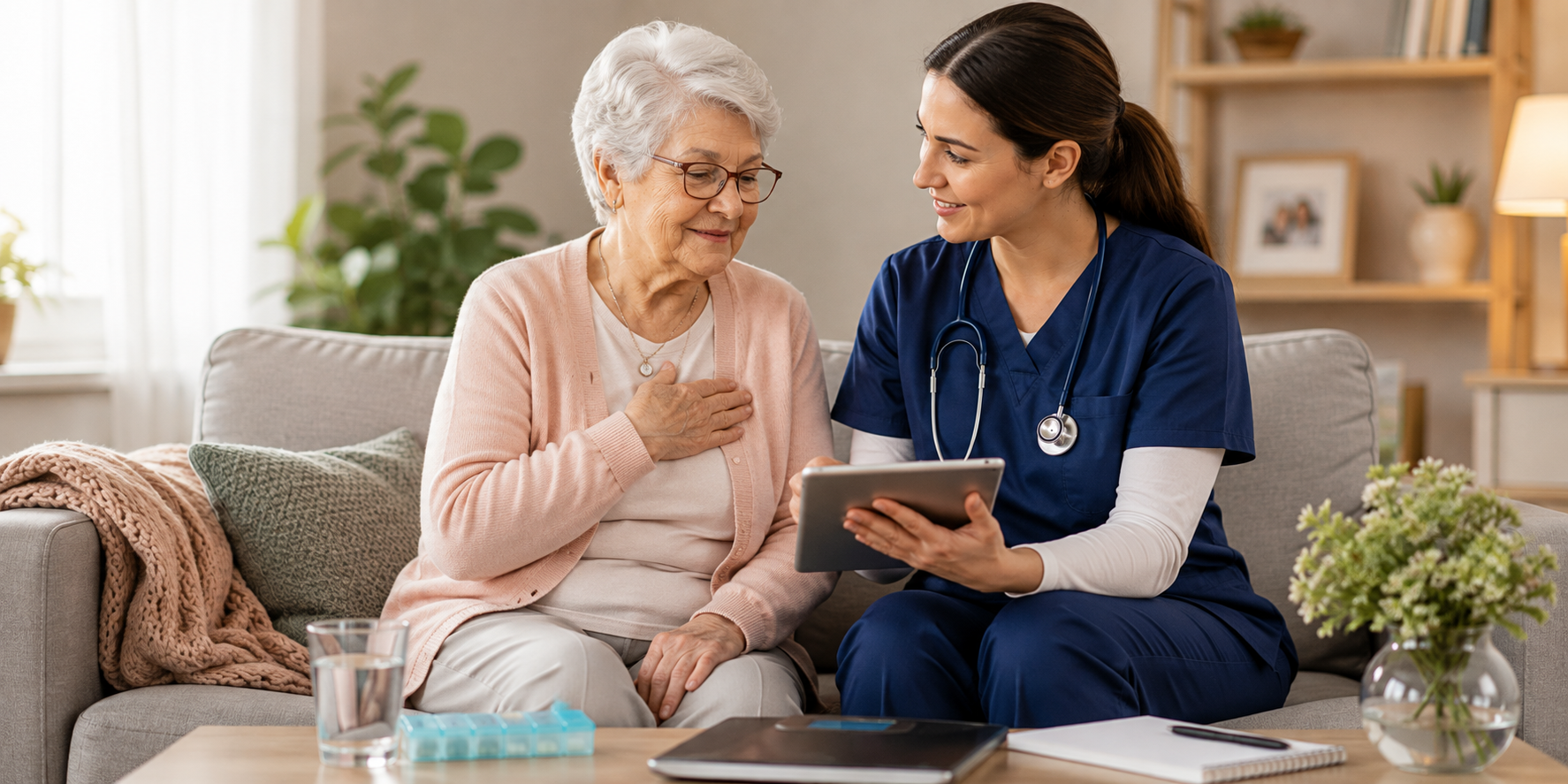
Technological advancements have significantly enhanced the scope and effectiveness of home-based cardiac rehabilitation. Telehealth platforms now allow for virtual consultations with doctors, nurses, and therapists, eliminating the need for frequent in-person visits.
Wearable health devices are also increasingly used to track heart rate, blood pressure, physical activity, and even sleep patterns. These tools enable real-time data sharing with healthcare providers, making it easier to adjust care plans promptly based on accurate information. Educational apps and online resources further support patients by offering accessible guidance and motivation throughout the recovery process.
Coordinated Care: Integrating Medical and Community Support at Home
Effective recovery often requires a coordinated approach that brings together medical professionals, caregivers, and community resources.
Home health care services in Houston are uniquely positioned to provide this integration, offering skilled nursing, therapy, and support services directly in the home.
By combining clinical care with lifestyle and emotional support, these services play a crucial role in addressing the diverse needs of cardiac patients. Collaboration with healthcare providers and institutions ensures that care is consistent, personalized, and responsive to changing needs.
Supporting Emotional and Psychological Well-being
The emotional impact of a cardiac event can be just as significant as the physical one. Many patients experience anxiety, depression, or uncertainty during recovery. Addressing these feelings is an essential component of a holistic rehabilitation plan.
Incorporating mental health support, such as counseling, relaxation techniques, or mindfulness training, can help patients manage their emotions and maintain a positive outlook. A supportive home environment, combined with professional guidance, encourages emotional resilience and reduces the risk of setbacks related to stress or isolation.
Nutrition and Lifestyle Adjustments
Heart-healthy eating habits are a cornerstone of effective recovery. Reducing sodium, saturated fats, and cholesterol while increasing the intake of fruits, vegetables, and whole grains supports cardiac function and helps prevent future events.
Lifestyle changes such as quitting smoking, limiting alcohol consumption, managing weight, and getting regular exercise also play a vital role. Educating patients and caregivers on how to implement and maintain these changes is key to long-term heart health.
Monitoring Progress and Adapting Plans
Recovery is not always linear, and patient needs may evolve throughout the process. Ongoing assessment ensures that any issues are identified early and that care plans are adjusted accordingly.
Regular check-ins—either in person or via telehealth—allow healthcare providers to track progress, make evidence-based adjustments, and ensure that patients remain engaged and motivated. Flexibility and open communication are critical to maintaining momentum in the recovery journey.
The Importance of Family Involvement
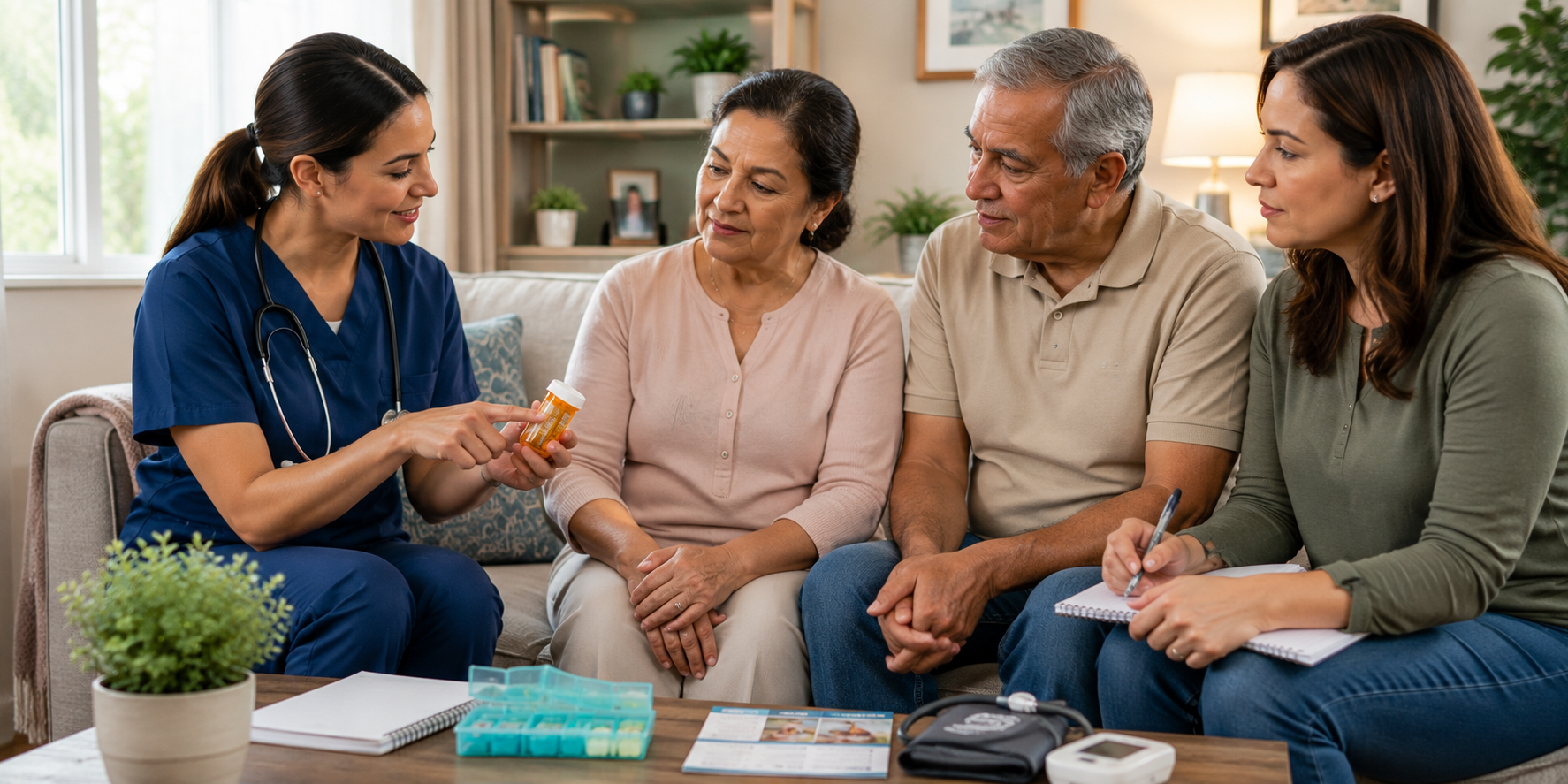
Family support can greatly influence the success of cardiac rehabilitation. Involving loved ones in the recovery process provides encouragement and creates a sense of shared responsibility. Family members can assist with monitoring, help manage medications, and participate in healthy lifestyle changes alongside the patient.
Education and training for caregivers help them feel confident and prepared, improving both their ability to assist and their own well-being. Creating a collaborative home environment fosters a sense of community and motivation that benefits everyone involved.
Wrapping Up: The Benefits of Cardiac Recovery at Home
Home-based cardiac rehabilitation represents a compassionate and effective alternative to traditional clinic-based programs. It brings recovery into the comfort of home while maintaining the high standards of medical care and emotional support that cardiac patients require.
From personalized care plans and private-duty nursing to technological integration and family involvement, every element of home-based recovery works together to support lasting heart health.
As healthcare continues to evolve, this approach offers a patient-centered solution that aligns with the needs, preferences, and lifestyles of modern cardiac patients.
About Allied Home Health. Allied Home Health is a licensed private duty nursing agency serving Houston and the surrounding Harris County area from 2421 W. Holcombe Blvd, Houston, TX 77030. Call 713-524-4422 to talk through your family's situation.