Parkinson’s disease slows the body down, one small movement at a time. A button takes longer to fasten. A cup of coffee feels heavier to carry, and a short walk across the kitchen takes real effort and concentration. Families watching a loved one struggle with tasks that used to be easy find the days feel long and uncertain, and they are not always sure how to help without taking over completely.
This is where home care for Parkinson’s disease steps in. Trained caregivers handle medication, mobility, and daily routines, so families get their time and energy back. The sections below show exactly how that help works, day by day.
Understanding Parkinson’s Disease and Its Daily Impact
Parkinson’s gradually changes how the brain controls the body’s movements, often making everyday physical activities more difficult. According to Parkinson’s Foundation, nearly 1.1 million Americans live with the condition today, and close to 90,000 new diagnoses happen across the country every year. Tremors, stiffness, and slower movement are the most recognized symptoms, though sleep problems, low mood, and trouble with memory or speech are common too.
These changes build over months and years, not overnight, so families adjust their routines gradually. Recognizing this pattern early gives families more time to plan support. As symptoms change, personalized support can help maintain safety, independence, and quality of life at home.
How Daily Support Helps People Living with Parkinson’s
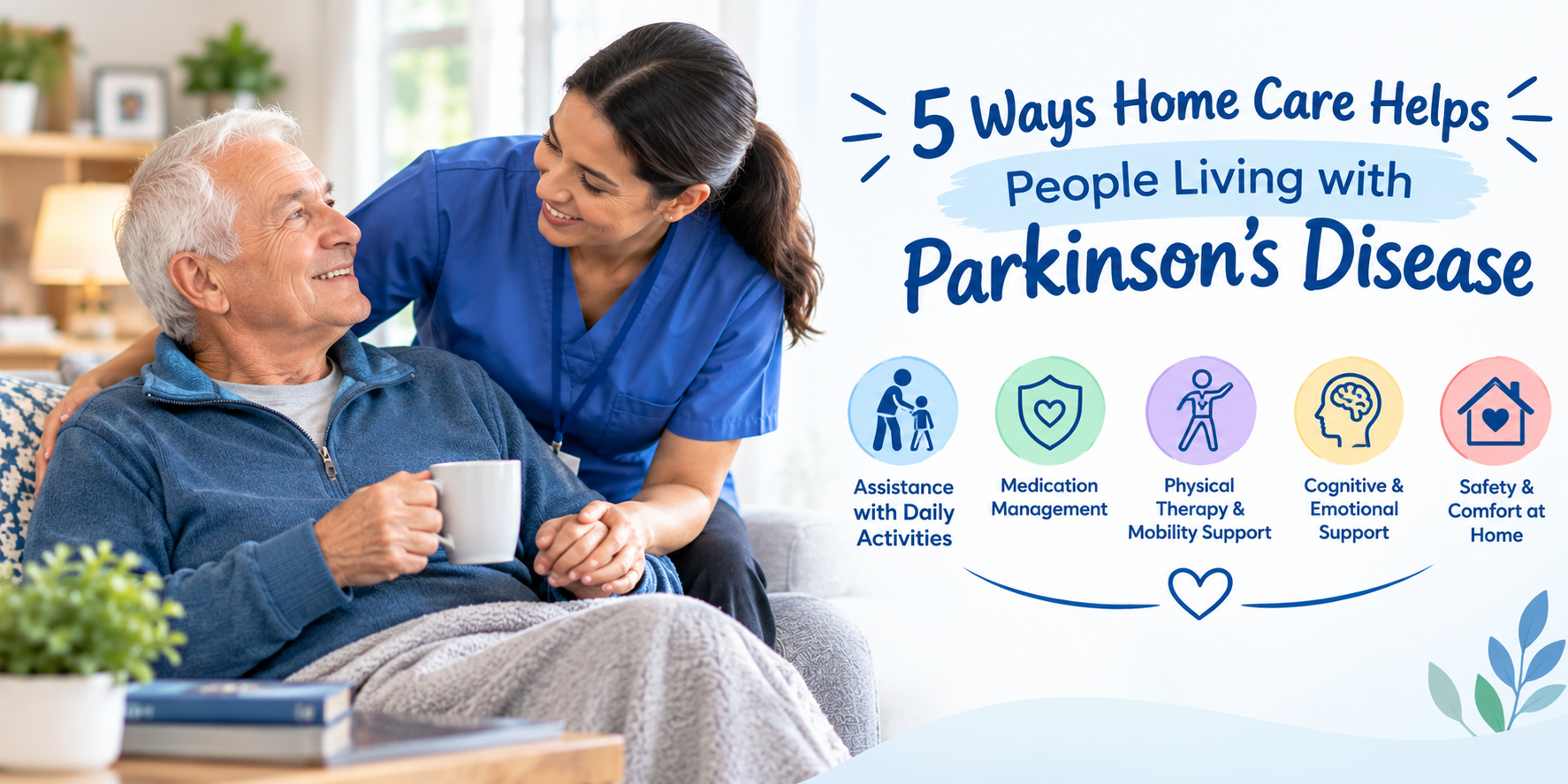
These are 5 ways that kind of support shows up inside a home, day after day.
- Consistent Medication Management
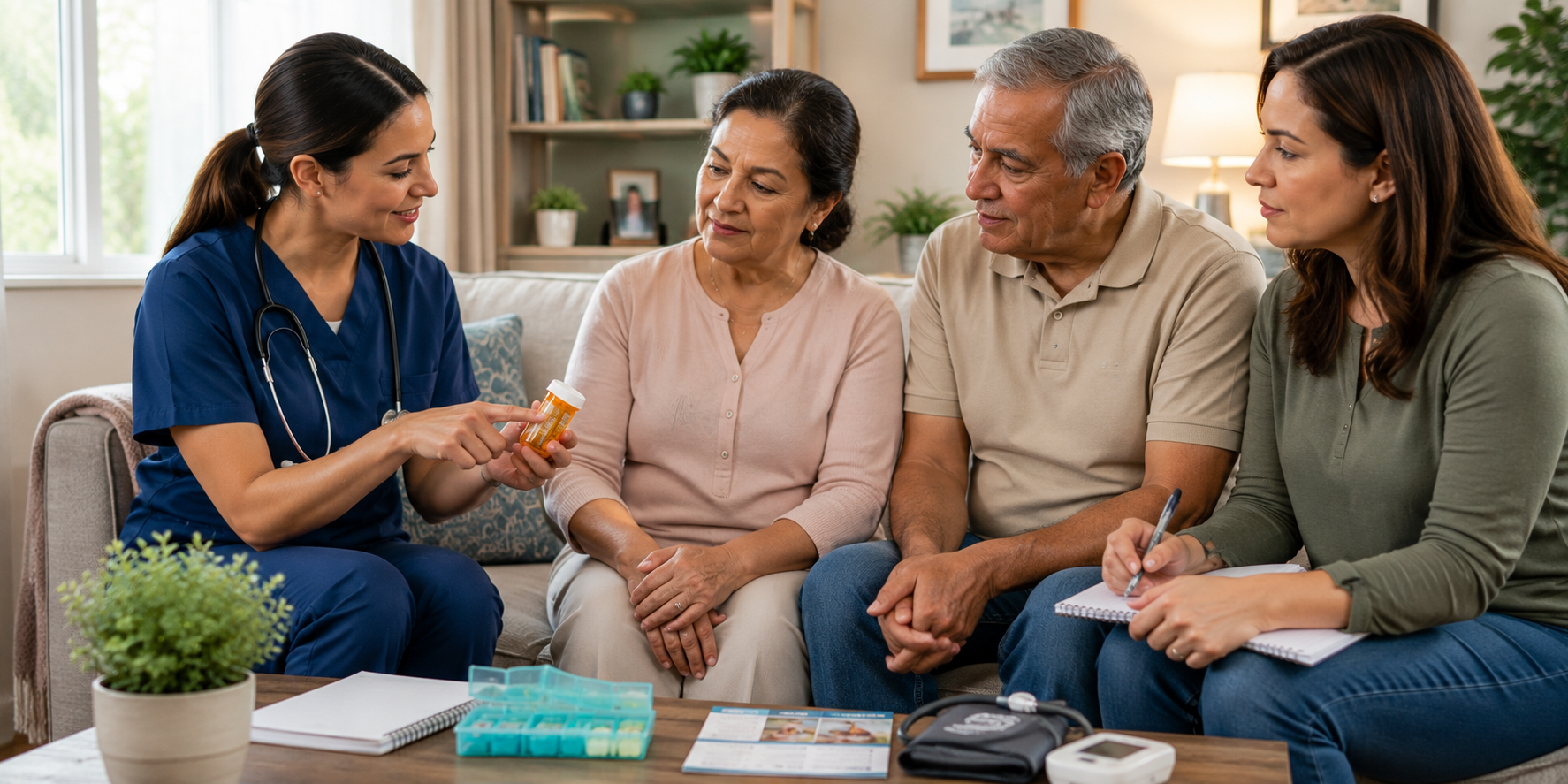
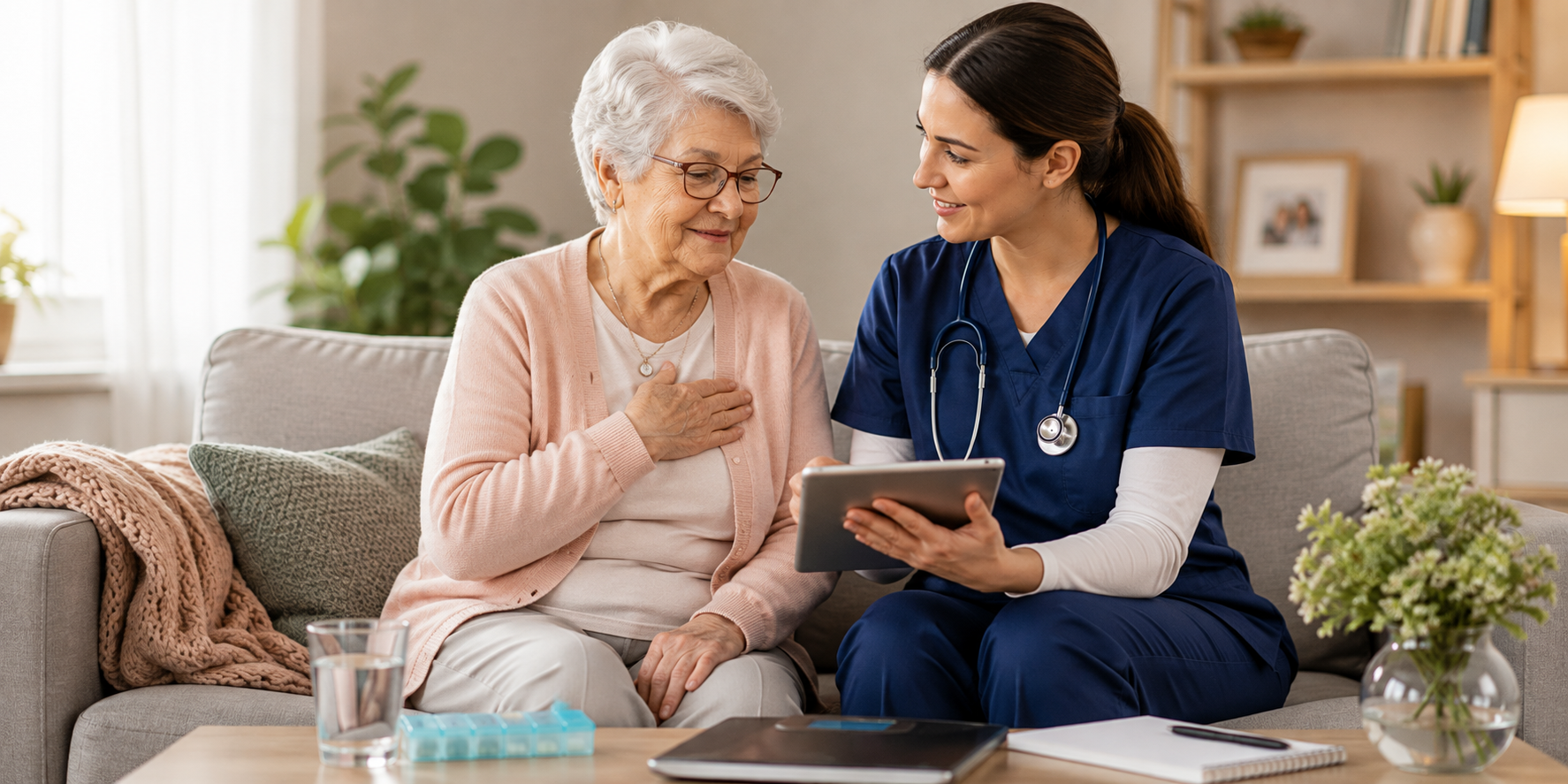
Parkinson’s medication works on a strict schedule, and missing a dose by even 30 minutes can bring back tremors or stiffness as the effects of the previous dose wear off. A trained caregiver can support medication timing and help families monitor changes or side effects. This kind of home care for Parkinson’s supports consistent medication routines and daily symptom management.
- Fall Prevention and Mobility Support
Balance problems raise the risk of falls, and a fall can turn into a long hospital stay. Caregivers watch for hazards, help with walking, and adjust the home layout to keep pathways clear. Steady, hands-on help can make everyday movement safer and reduce exposure to common hazards.
- Help with Daily Living Activities
Simple tasks like buttoning clothes, preparing meals, and bathing safely become harder as motor skills decline. A caregiver steps in with patience, giving just enough assistance to preserve independence. This balance protects self-esteem while keeping basic needs met every day.
- Emotional Support and Companionship
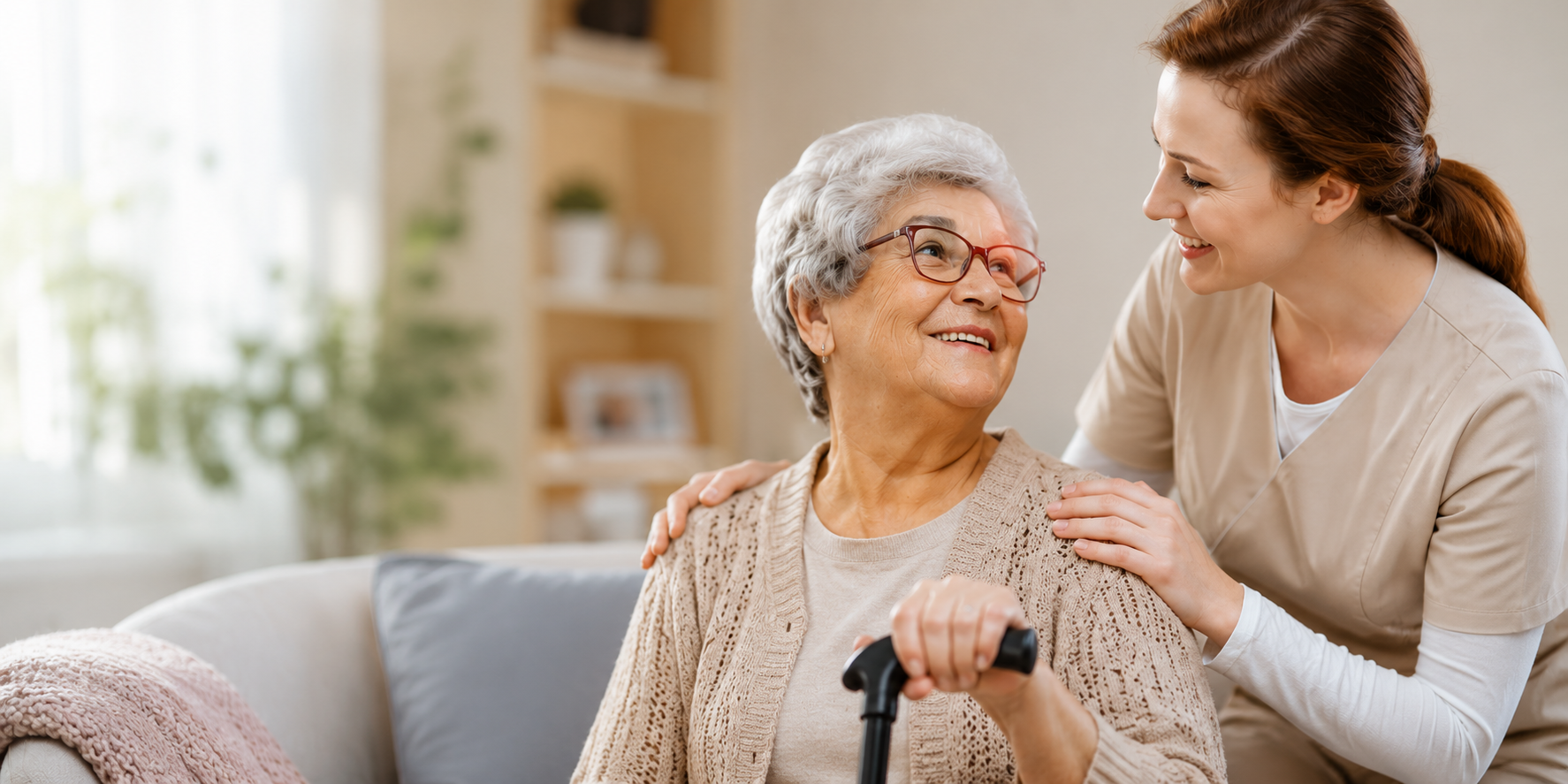
Parkinson’s affects mood as much as movement, and isolation can quietly worsen both. Regular visits from a familiar caregiver bring conversation and connection that lift spirits. Professional home care can pair companionship with daily support, addressing the whole person, not just the diagnosis.
- Relief and Guidance for Family Caregivers
Family members carry enormous weight when they manage care alone, and burnout can affect their well-being. Professional caregivers share that load, provide respite, and help families understand what changes to expect. The best approach is a partnership between family members and trained caregivers, with each playing an important role in supporting their loved one.
No family should manage Parkinson’s care on their own, night after night. Allied Home Health connects households with professional home nurses in Houston trained to step in exactly where it counts. Contact us today to set up a care plan for your loved ones!
What to Look for in Home Care for Parkinson’s Patients
A few specific qualities set apart care that actually fits this condition.
- Caregivers experienced with mobility challenges and medication routines associated with Parkinson’s disease
- Flexible, individualized care plans that adjust to good days and harder ones, not a fixed routine
- Clear, regular communication with physicians and other members of the patient’s care team
- Experience supporting safe mobility and maintaining a safer home environment
- Patience and emotional sensitivity, since Parkinson’s home care involves more than physical tasks
- A dependable care arrangement, so the person receiving care can build trust over time
Benefits of Home Care for Parkinson’s
Beyond specific tasks, this kind of support adds up to real, lasting gains for everyone involved. Consistent home health care for Parkinson’s patients shapes each of these outcomes over time.
| Benefit | What It Means |
| Fewer emergency room visits | Medication routines and fall risks receive closer attention |
| More independence at home | Delays or avoids an earlier move to assisted living |
| Better symptom tracking | Care teams can receive clearer updates about daily changes |
| Less daily strain for family caregivers | Daily tasks get shared instead of carried alone |
| A familiar, comfortable environment | Eases the anxiety that often comes with Parkinson’s |
| Care built around one person | Support fits specific needs instead of a general routine |
Frequently Asked Questions
- How Does Home Care Help Someone With Parkinson’s Disease?
A caregiver manages medication timing, assists with mobility, and helps with daily tasks like bathing and meal preparation. This structure reduces fall risk and keeps symptoms more predictable.
- Does Insurance Cover Home Care For Parkinson’s Patients?
Coverage depends on the plan and the type of care needed. Medicare may cover certain skilled home health services, but it generally does not cover custodial support when that is the only care needed.
- When Is The Right Time To Start Home Care For Parkinson’s Disease?
Families may consider care when falls, missed medications, or caregiver strain make daily routines harder to manage. Starting earlier, before a crisis, allows more time to build trust with a caregiver.
- Can Home Care Replace A Neurologist Or Physical Therapist?
No. Home care works alongside medical specialists, not in place of them. Caregivers support the treatment plan doctors and therapists create and report changes promptly.
- What Is The Difference Between Home Care And Skilled Home Health Services?
Home care usually means support with daily living and companionship. Skilled home health services include medical tasks like wound care or nursing visits. Families sometimes use both, depending on the disease stage.
Conclusion
Parkinson’s disease changes daily life, but it does not have to strip away comfort, safety, or connection at home. The right support helps with medication schedules, safer mobility, and gives family caregivers room to breathe again. Home health care for Parkinson’s patients turns a difficult diagnosis into something manageable, one day at a time.
A hard diagnosis does not have to mean a hard life. Allied Home Health provides reliable private duty nursing in Houston focused on exactly that goal. Reach out today for a care plan that puts steadiness back into your routine!
About Allied Home Health. Allied Home Health is a licensed private duty nursing agency serving Houston and the surrounding Harris County area from 2421 W. Holcombe Blvd, Houston, TX 77030. Call 713-524-4422 to talk through your family's situation.