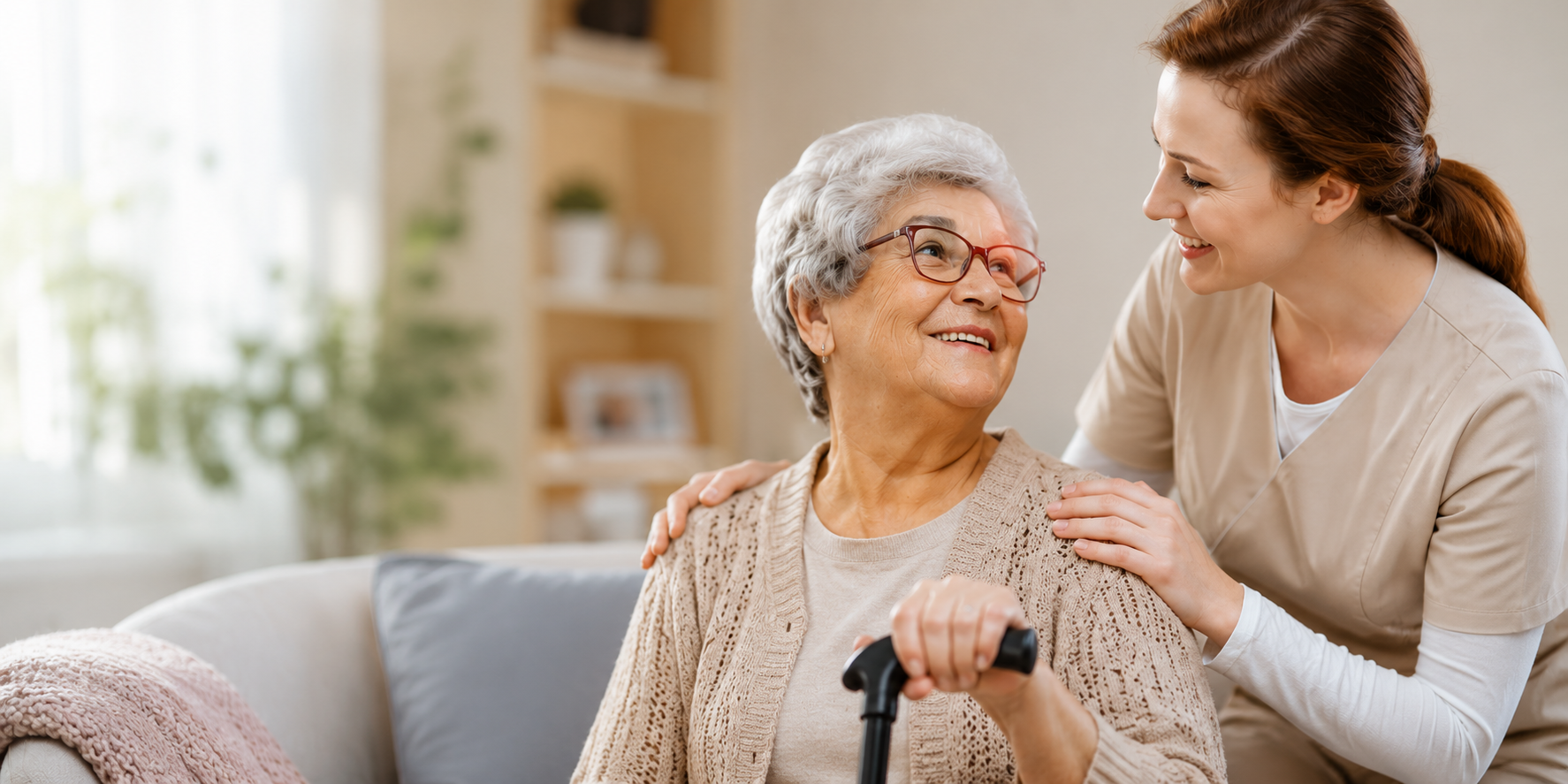
Mental health problems are on the rise globally, with millions of people experiencing psychological concerns such as depression, anxiety, bipolar disorder, and schizophrenia. According to the World Health Organization, one in four people will face a mental or neurological disorder at some point in their life.
Despite growing awareness, access to timely and compassionate mental health care is still a challenge for many, especially those who are older, chronically ill, or homebound. As a result, home healthcare services that integrate mental health support have become an essential component of modern healthcare.
Getting treatment in the comfort and privacy of one’s home can significantly improve patient outcomes, enhance emotional well-being, and foster long-term recovery.
In this blog, we explore how home health care addresses mental health, why it matters, and how services are helping patients reclaim their quality of life.
What Is Mental Health Support in Home Health Care?
Mental health support in home health care refers to a range of professional services delivered to people living with mental health issues in their own homes. These services aim to stabilize mental health conditions, promote emotional well-being, and prevent hospital readmissions.
Care is typically administered by trained professionals, including psychiatric nurses, licensed counselors, social workers, and qualified nursing assistants. The goal is to offer holistic, patient-centered care that addresses not only mental but also physical and social needs.
Types of Mental Health Services Offered at Home
Services provided through home health care can differ depending on the patient’s diagnosis and individual goals. Common offerings include:
- Psychiatric assessments conducted at home
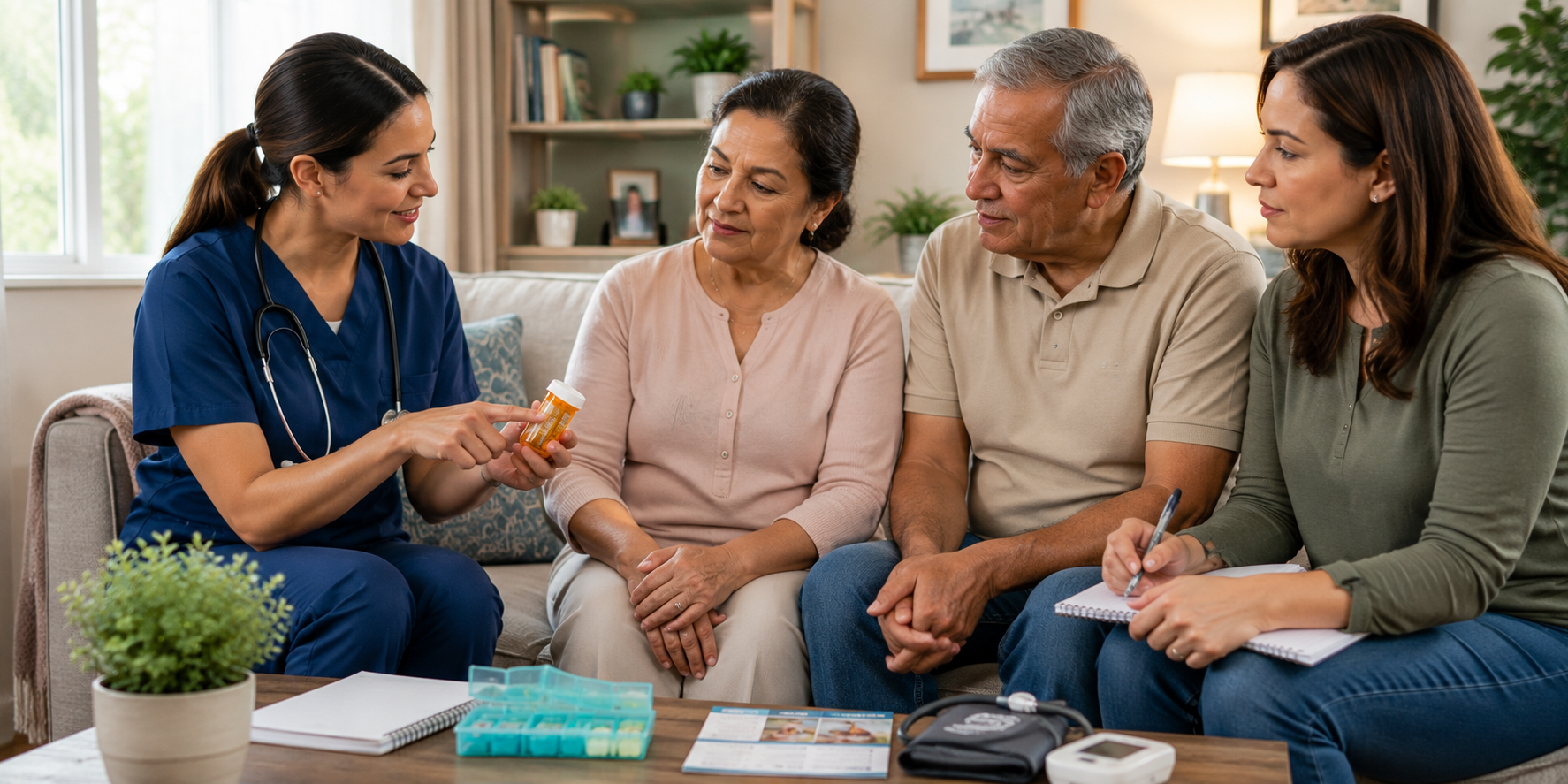
- Medication management and adherence monitoring
- Cognitive-behavioral therapy and other forms of in-home psychotherapy
- Support for patients with dementia or Alzheimer’s
- Assistance with daily routines and emotional regulation
- Social work and case management
- Referrals to community mental health resources
These services are often customized to meet the patient’s age, cultural background, and level of functioning; providing care is both relevant and respectful.

Benefits of Mental Health Care At Home
Familiar Environment Supports Healing
One of the most powerful aspects of in-home mental health care is the comfort of being treated in a familiar environment. Hospitals can feel sterile, overwhelming, or even triggering for some patients, especially those with trauma histories. Being at home allows individuals to feel safer, more relaxed, and more open to treatment.
A familiar setting also supports continuity in daily routines, which can be crucial for those managing depression or anxiety. Patients are likely to stick with treatment when they don’t have to travel to a clinic or cope with institutional settings.
Reduced Isolation and Improved Social Interaction
Loneliness and social isolation are both risk factors and symptoms of many mental health conditions. Home health providers do more than just administer care; they also offer emotional support, helping patients engage in conversations, activities, or light social interactions that ease loneliness.
Caregivers may encourage hobbies, facilitate video chats with family, or involve patients in community-based activities or support groups, many of which are now available online.
Better Medication Adherence and Monitoring
People living with mental health conditions often face challenges in consistently taking their prescribed medications. Side effects, forgetfulness, or a lack of knowledge about how and when to take medicines can all interfere with adherence. This inconsistency can lead to worsening symptoms or even relapse if left unaddressed.
In-home care professionals play an important role in managing this issue. They help patients follow their medication schedules, watch for any side effects, and monitor changes in mood or behavior. If they notice anything concerning, they can quickly inform the healthcare provider to adjust treatment if needed. This kind of regular support reduces the chances of relapse, overdose, or emergency hospitalization.
Cost-Effective Alternative to Hospitalization
In-home mental health care is often a more affordable option compared to long hospital stays or frequent emergency room visits. Many patients can receive quality mental health treatment at home without the high costs associated with inpatient facilities. Insurance programs like Medicare and Medicaid, along with private insurers, often include coverage for home-based mental health services, making it more accessible for people from different financial backgrounds.
By receiving care at home, patients avoid the added costs of transportation, accommodation, or hospital-related charges. It also minimizes the chance of hospital readmissions, which can be expensive and emotionally draining. Overall, home health care provides a more sustainable way to manage mental health conditions while helping families and individuals save on long-term healthcare expenses.
The Role of Qualified Nursing Assistants
Qualified Nursing Assistants are an important part of home-based mental health care, especially in urban areas where demand is high. These trained professionals provide essential day-to-day support, including help with medications, meals, hygiene, and mobility. Beyond routine tasks, they offer something even more important: companionship and emotional support, which can make a huge difference in a patient’s mental well-being.
Because QNAs spend so much time with patients, they often notice subtle shifts in mood or behavior that others might miss. They are taught to identify early signs of emotional distress and can alert the care team quickly. This early intervention can prevent crises and ensure the patient gets timely support, making QNAs a crucial link in maintaining both the physical and mental stability of individuals receiving home care.
Integrating Physical and Mental Health Care
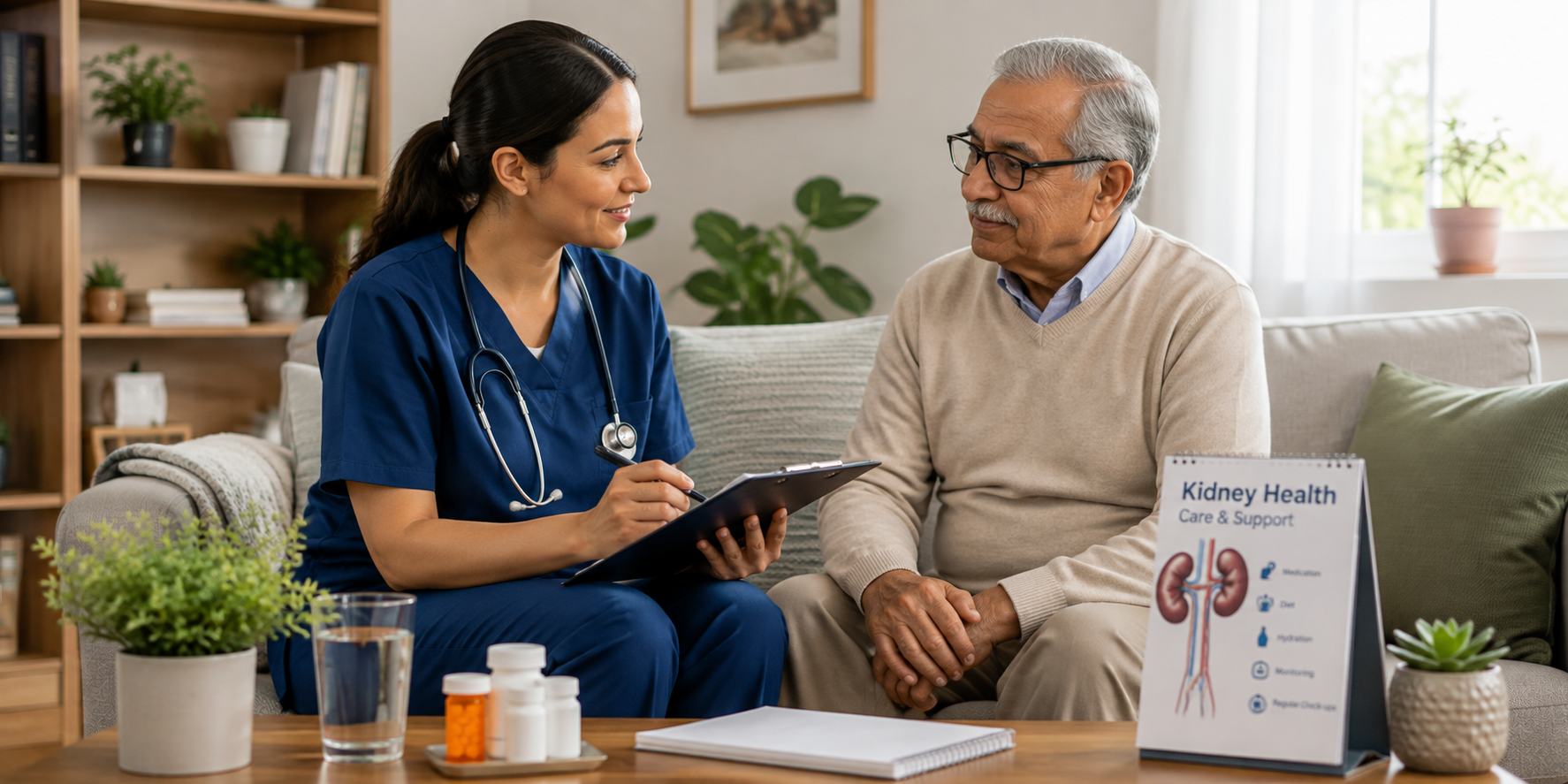
Mental health and physical health are deeply interlinked. Depression, for example, can worsen chronic illnesses like diabetes or heart disease, while physical pain can trigger or intensify mental health issues. Home health teams can treat both aspects concurrently, ensuring a more complete and effective care plan.
Nurses might track blood pressure and glucose levels while also noting emotional responses. Therapists might work with patients on coping strategies that address both physical discomfort and mental strain.
Final Thoughts
The need for accessible, compassionate, and consistent mental health care has never been more urgent. Home health care offers a powerful solution by bringing professional treatment and emotional support directly to patients in the comfort of their homes.
In places like Austin, where skilled nursing assistants and well-established home health agencies are readily available, patients and families can find peace of mind knowing that help is just a doorstep away.
Looking for trusted home health care in Houston for mental health? Allied Home Health offers compassionate, comprehensive services personalized to your mental and physical health needs. Contact us today to learn how our qualified nursing assistant can help you or your loved one live a healthier, more balanced life at home!
About Allied Home Health. Allied Home Health is a licensed private duty nursing agency serving Houston and the surrounding Harris County area from 2421 W. Holcombe Blvd, Houston, TX 77030. Call 713-524-4422 to talk through your family's situation.