Blog

Compassionate, Personalized Care Keeping Families Together at Home.

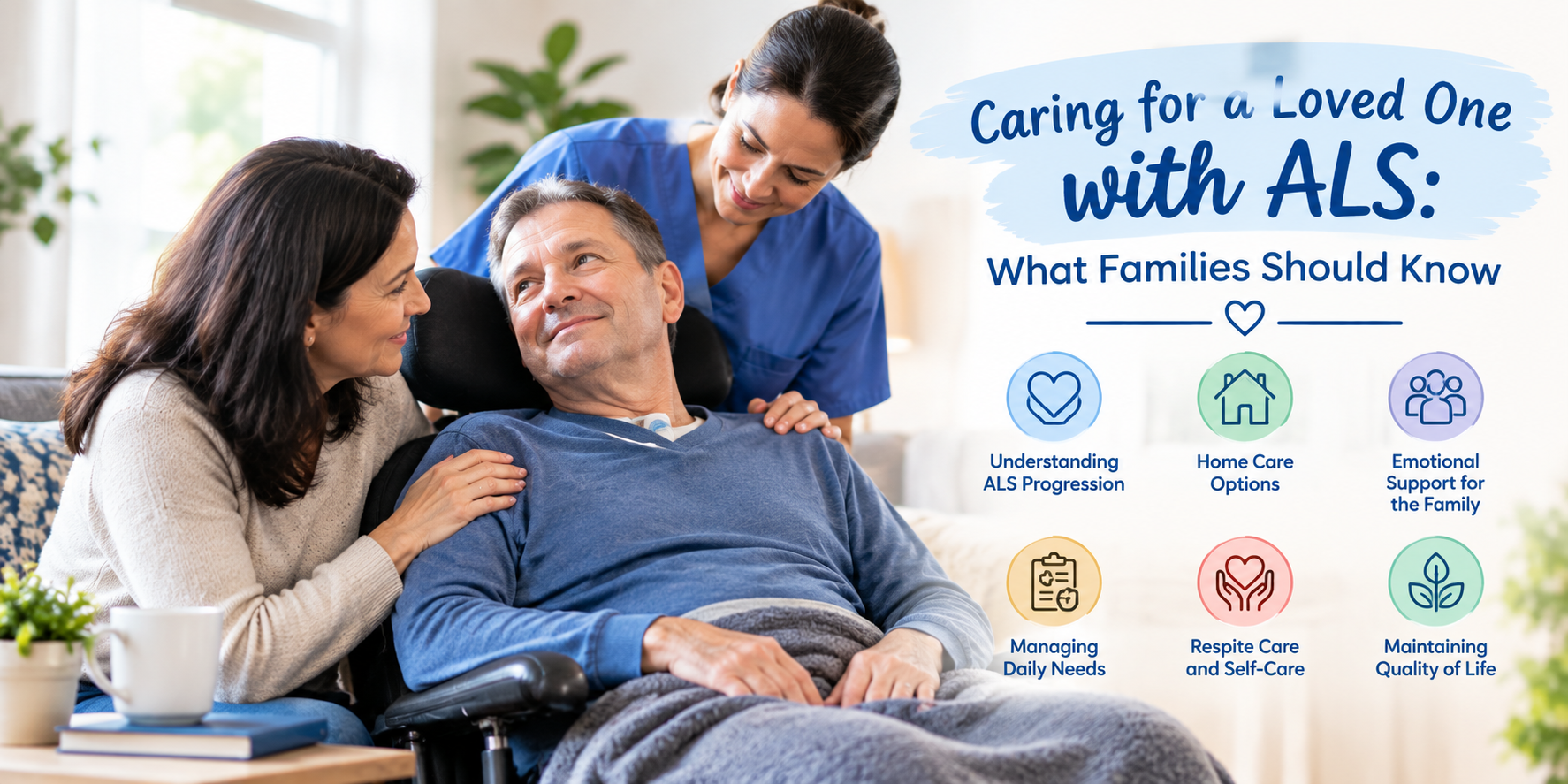
Caring for a Loved One with ALS: What Families Should Know

Caring for a Loved One with ALS: What Families Should Know

ALS changes how a family functions almost overnight. Muscles weaken, daily tasks become harder, and caregivers take on medical responsibilities they never expected. Structured support at home helps with mobility, communication, equipment, and emotional strain, giving both the person diagnosed and their family steadier footing through a disease that keeps changing.
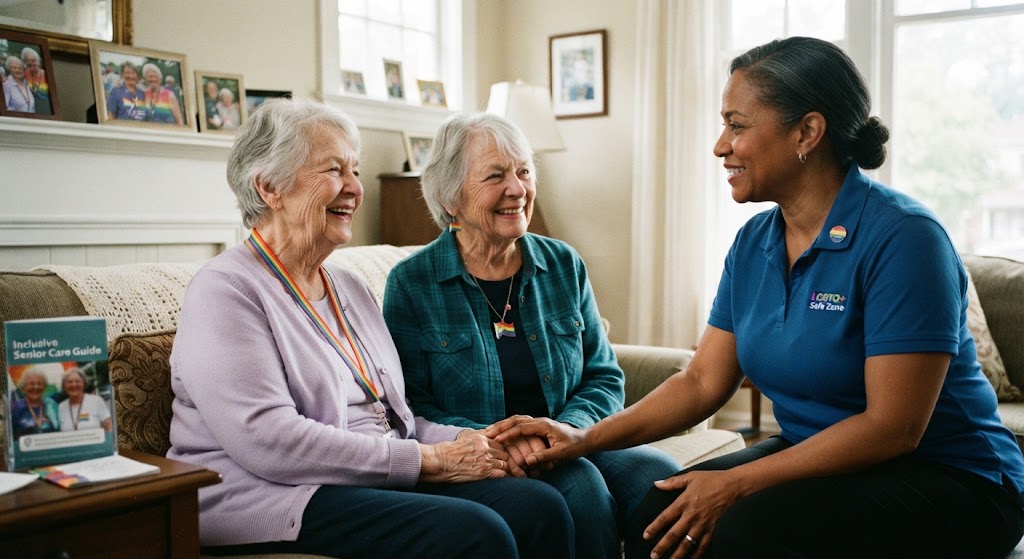

LGBTQ+ Friendly Senior Home Care: What Families Should Look For

LGBTQ+ Friendly Senior Home Care: What Families Should Look For

Aging with dignity matters for every senior, yet LGBTQ+ elders face unique barriers when seeking home care. Past discrimination and gaps in staff training can make searching feel stressful. Families benefit from knowing what questions to ask and what real inclusion looks like once a caregiver arrives.

How to Talk to Your Parent About Accepting Home Care Without Resistance

How to Talk to Your Parent About Accepting Home Care Without Resistance

Conversations about home care can stir fear and pride in aging parents. Families often notice missed medications, unsafe falls, or changes in hygiene before anyone speaks up. Recognizing these early signs and starting with small steps turns resistance into cooperation. Patience, honest listening, and short trial periods help families introduce support without conflict, keeping parents safe and respected at home. 

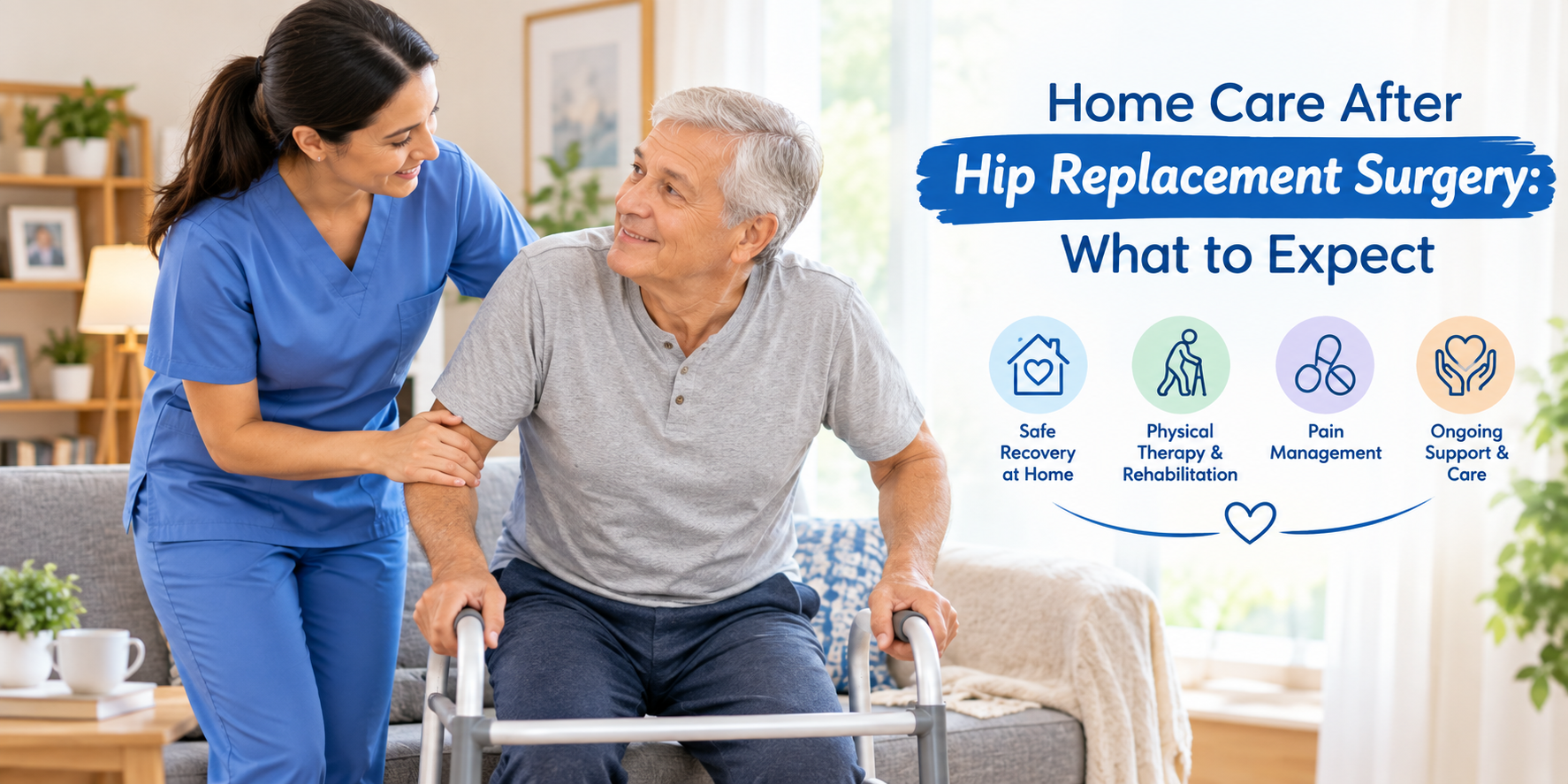
Home Care After Hip Replacement Surgery

Home Care After Hip Replacement Surgery: What to Expect

A hip replacement requires steady care during recovery at home. Wound checks, guided movement, and a safer living space support healing, while prescribed pain management and physical therapy help rebuild strength over time. Professional home-based support can help patients follow their care plan and manage daily activities safely.

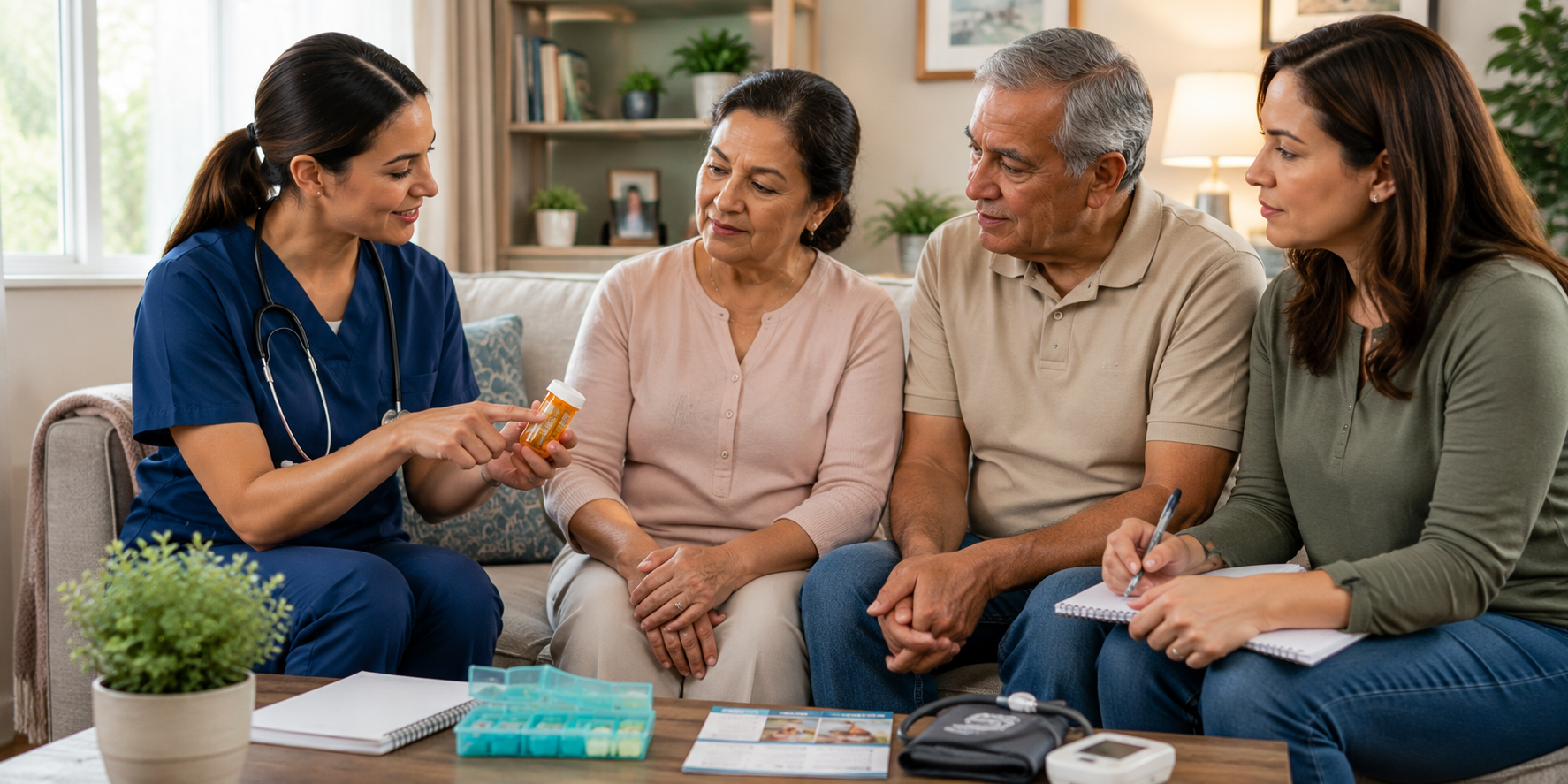
How Home Health Nurses Train Family Members for Better Care

How Home Health Nurses Train Family Members for Better Care

Home health nurses equip family caregivers with practical skills for medication management, wound care, mobility assistance, symptom recognition, nutrition support, and effective communication. Structured training through demonstrations, hands-on practice, teach-back, written guidance, and follow-up helps families provide safer, more consistent care while managing their responsibilities with greater confidence.

Home-Health-Vs-Hospice-Vs-Palliative-Care-Knowing-the-Difference

Home Health Vs Hospice Vs Palliative Care: Knowing the Difference

Home health, hospice, and palliative care serve distinct purposes based on a patient’s medical condition, treatment goals, and stage of illness. Home health supports recovery and chronic condition management, hospice prioritizes comfort for patients with a terminal prognosis, while palliative care focuses on symptom relief at any stage of serious illness. Understanding the differences helps families choose appropriate care and adjust support as a patient’s needs change.

Skip to content